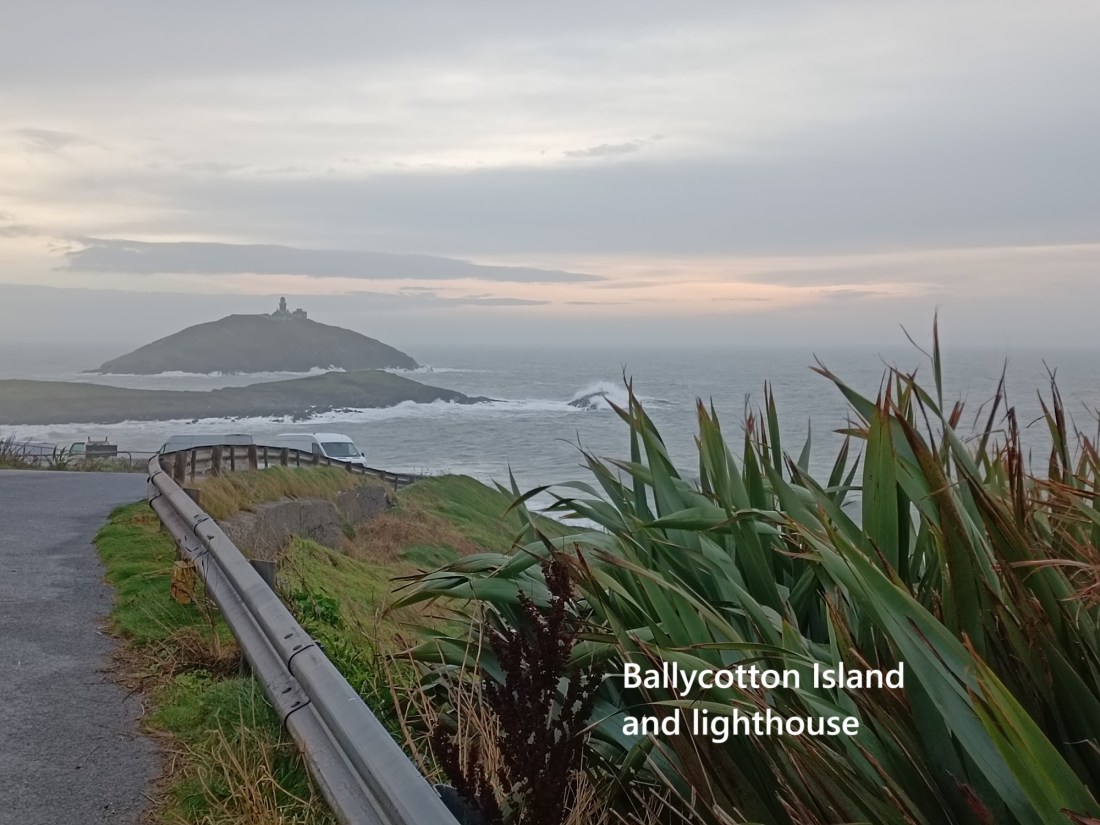
I have been meaning to walk the cliffs at Ballycotton for some time, but something always seemed to get in the way. And then, this year, I made my Christmas journey to Ireland earlier than usual, arriving in mid-December. After a couple of walks around the town of Midleton, and with the weather seeming relatively benign for the time of year, I went out early one morning to Ballycotton to start the walk. The sun was still low in the sky when I started out.

It didn’t take long to come to where the RNLI lifeboat Mary Stanford is resting at the side of the road. A nearby sign explains that this lifeboat was used in the Daunt Rock lightship rescue in 1936 On February 7th of that year, a severe storm hit the coast around Ballycotton. There was a lot of damage onshore, while offshore, the lightship Comet, marking a hazard known as the Daunt Rock, broke away from its moorings and was adrift in the storm. The Daunt Rock is close to the mouth of Cork Harbour. The Ballycotton lifeboat, the Mary Stanford put to sea. Their efforts to rescue the crew of the lightship were unsuccessful, even breaking a cable in the process. The lifeboat made for Cobh to get stronger cables. After 3 hours of what sleep and refreshment they could get in Cobh, the men went to sea again. The storm was still strong, and the next attempts to rescue the 8 men on the Comet were unsuccessful. Eventually, they managed to get one man across from the lightship. Then five more made it, leaving two clinging to the rails on the ship. They had to be dragged from the sea. The Mary Stanford then went to Cobh with the rescued men. The lifeboat and its all-volunteer crew had been at sea for 49 hours, and away from home for three days. The men were tired, hungry, and suffering from salt burns from the seawater. All were awarded medals for their actions, and rightly so.
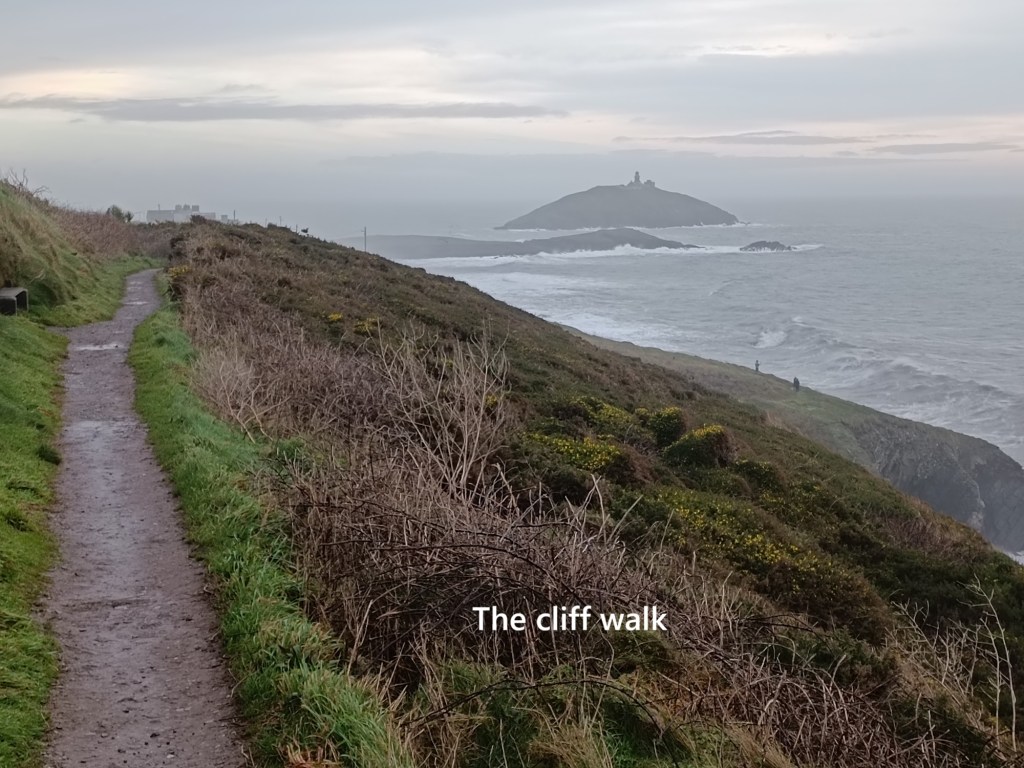
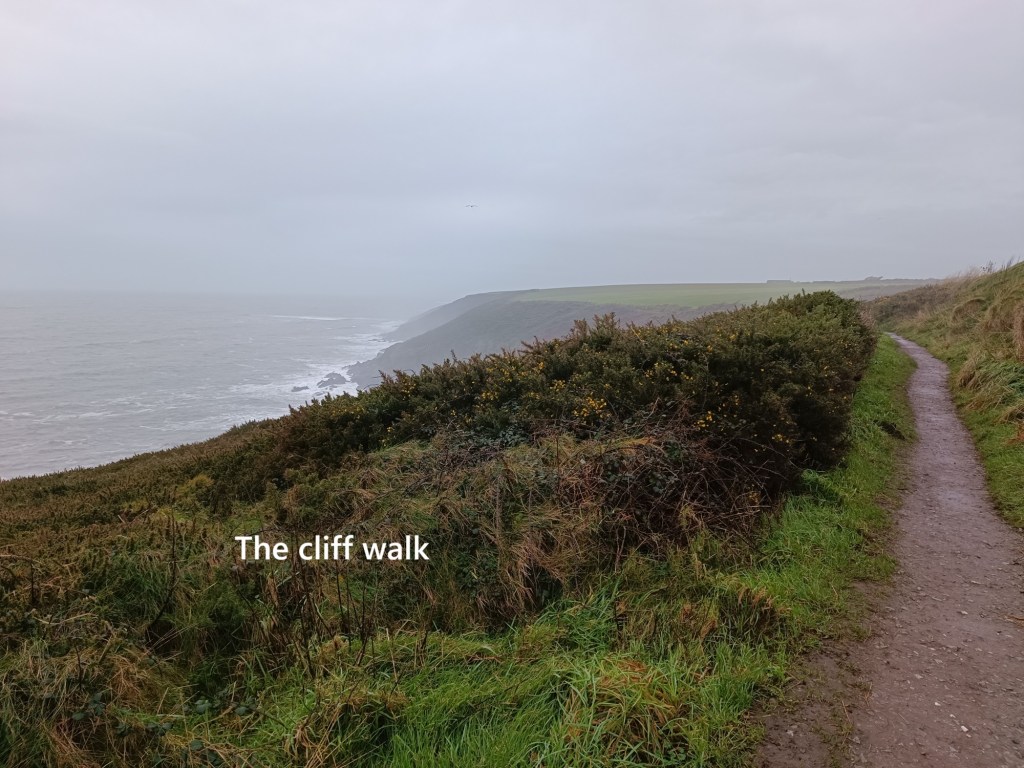
Not long after that, the track leaves the tarmacadam and follows a rough trail along the clifftop. I am sure that on calm days, there are wonderful views across the sea. And I am sure that the area sees much worse weather than I experienced. It was damp, with a medium wind driving the waves onto the shore. Invigorating is probably an apt description.

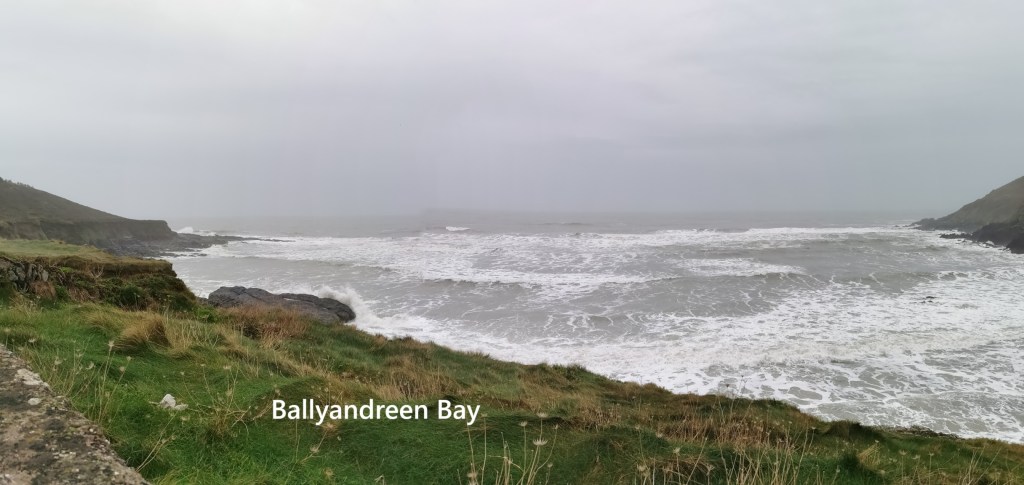
I continued until I reached Ballyandreen Bay. It was in this area that the MV Alta was wrecked. The Alta was on its way from Greece to Haiti in October 2018 when its engines failed south of Bermuda, leaving it drifting dangerously. The crew was rescued by the US Coast Guard, and the ship was abandoned. It then became what is commonly called a ghost ship a ship with no crew, drifting at the mercy of the sea. The next sighting of the Alta was by a British naval ship in September 2019. After that, she somehow drifted through the Atlantic and was driven ashore at Ballyandreen Bay in a storm in February 2020. There were several proposals on how to manage the wreck, but in early 2022, the hull broke, splitting the ship in two. It has since been left to the mercy of time, tides, and the Irish coast.
From Ballyandreen Bay, I went inland. There were a few farms, but the fields looked desolate and empty. I am sure that when spring comes, they will be hives of activity, but in December, there was nothing happening.
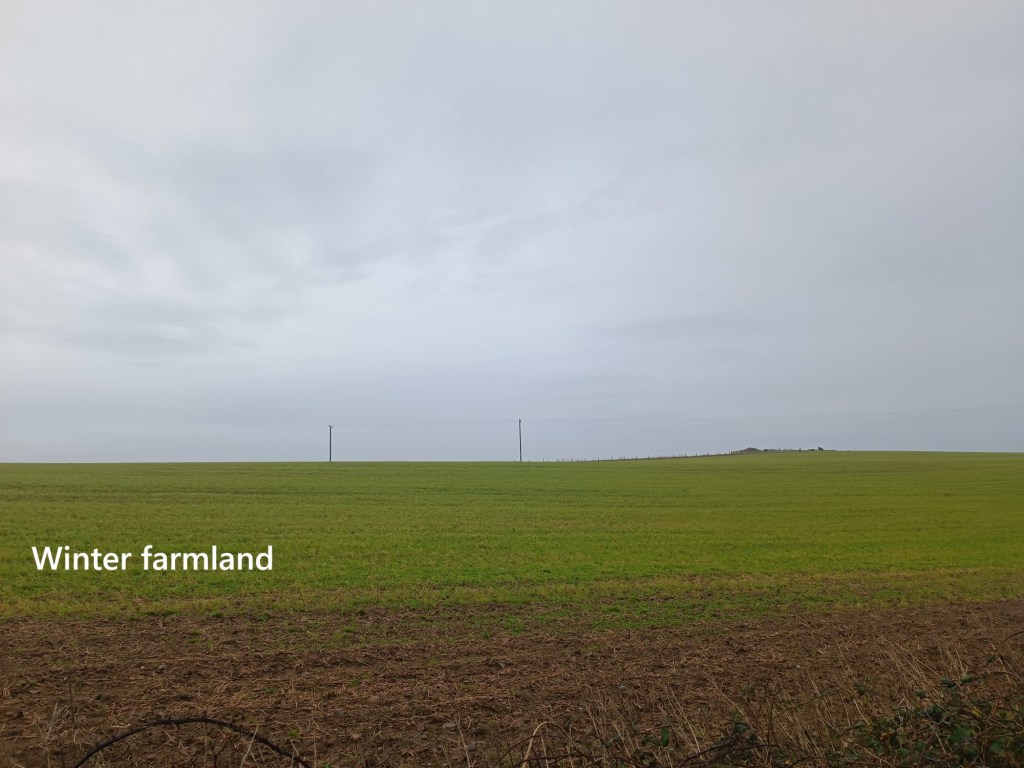
Then I came to a junction and turned eastward along the road back into Ballycotton. This road was busier, but in typical fashion of rural Ireland, the drivers were all courteous to pedestrians, and most even gave me a wave as they passed. And so, I made my way back into the village.
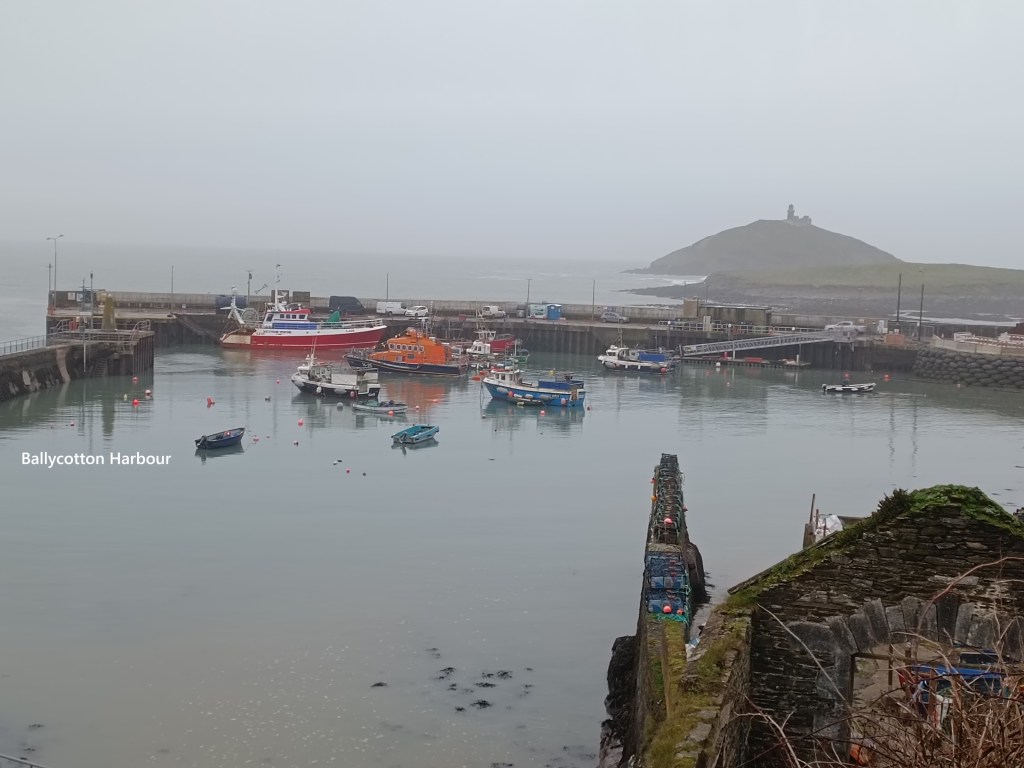
I took a little time to see the harbour, where the current lifeboat was riding gently at anchor. The Mary Stanford was retired from Ballycotton in 1959. There have been two other lifeboats on the station since then before the current vessel, the Austin Lidbury, arrived in 1998.

And then all I had to do was to go back to the car and make my way home.
My total step count for the day was 20,106.

 Walkingman