I was up early enough to be the first person for breakfast. It was larid out in a buffet, with the materials typical of a French breakfast: fresh bread, croissants, juices, and delicious coffee. Once I had eaten and was suitably energised, I was on my way.
The official route of the Via Francigena goes southwest from Calais to Wissant, and then doubles back southeastwards to Guines. I can see no reason for that westward excursion. The account from Archbishop Sigeric suggests that he crossed the channel from somewhere in the area of Wissant, but there is no certainty in that regard. I decided to take a more direct route based on the network of canals in the area.
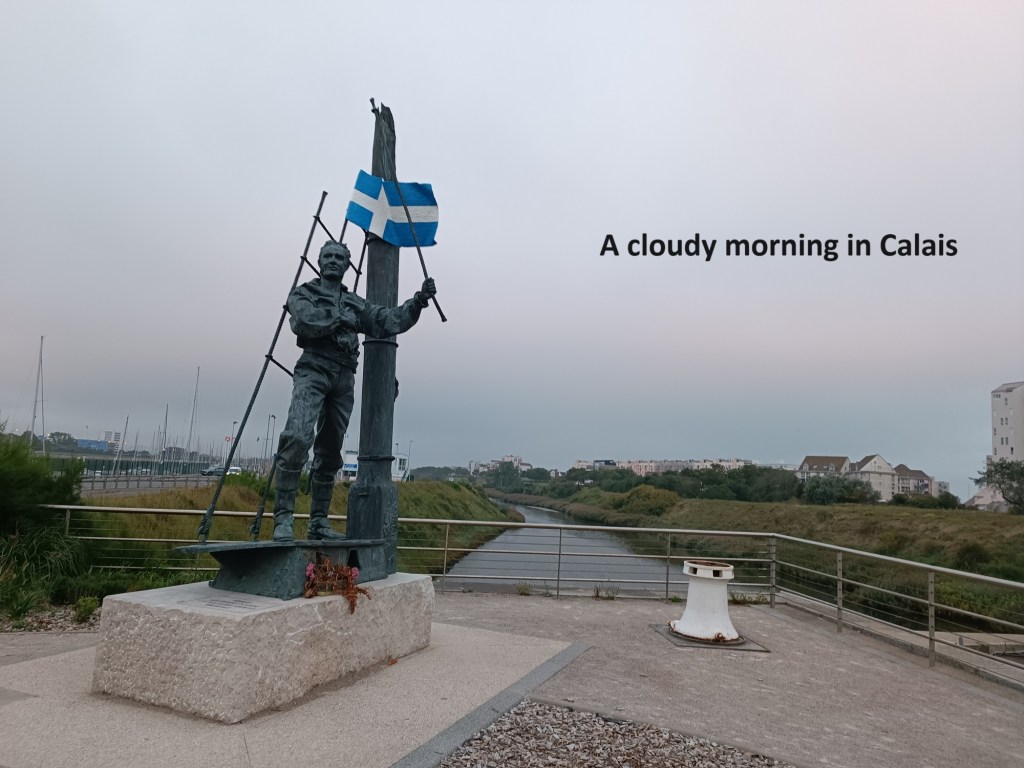
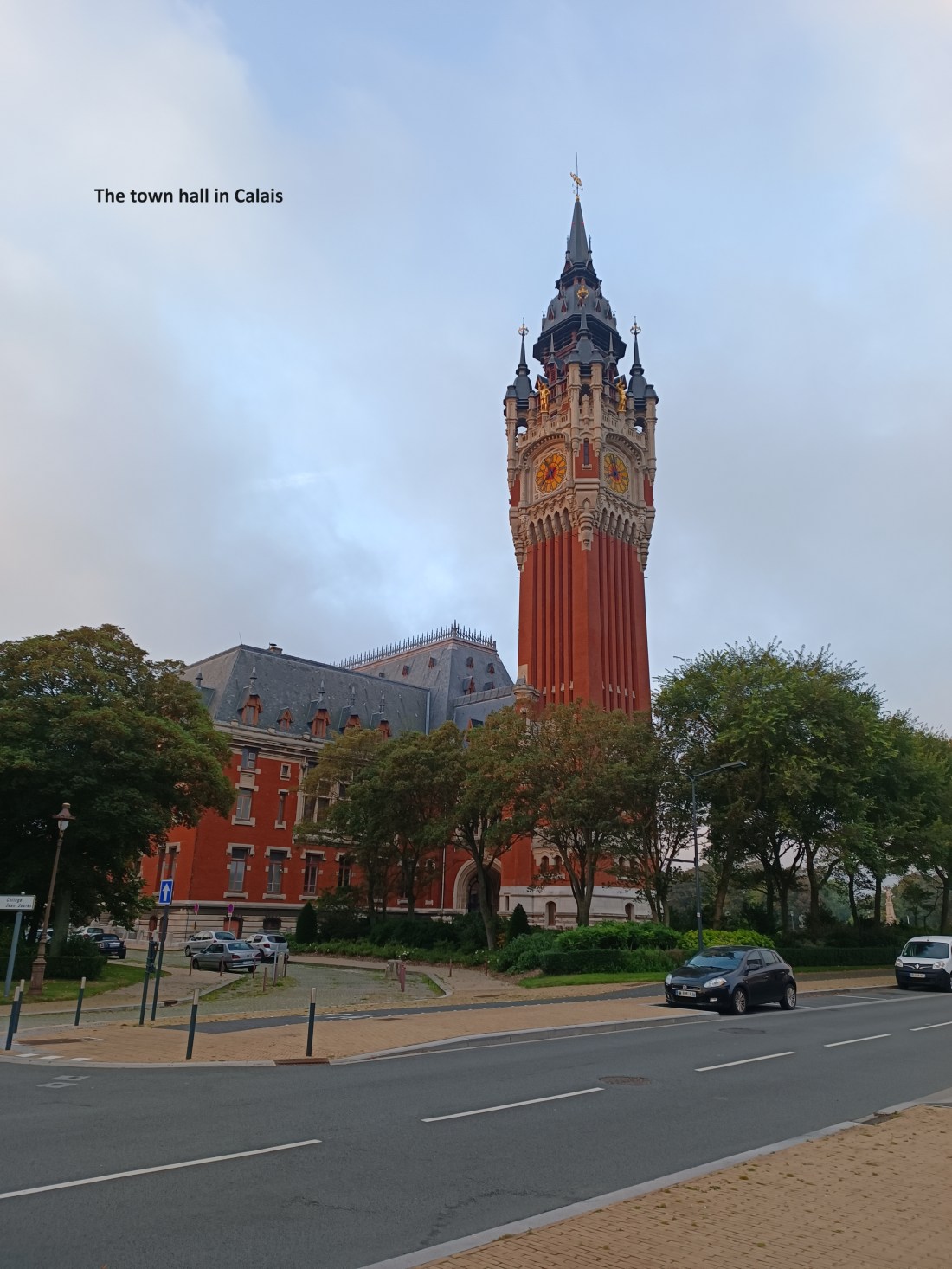
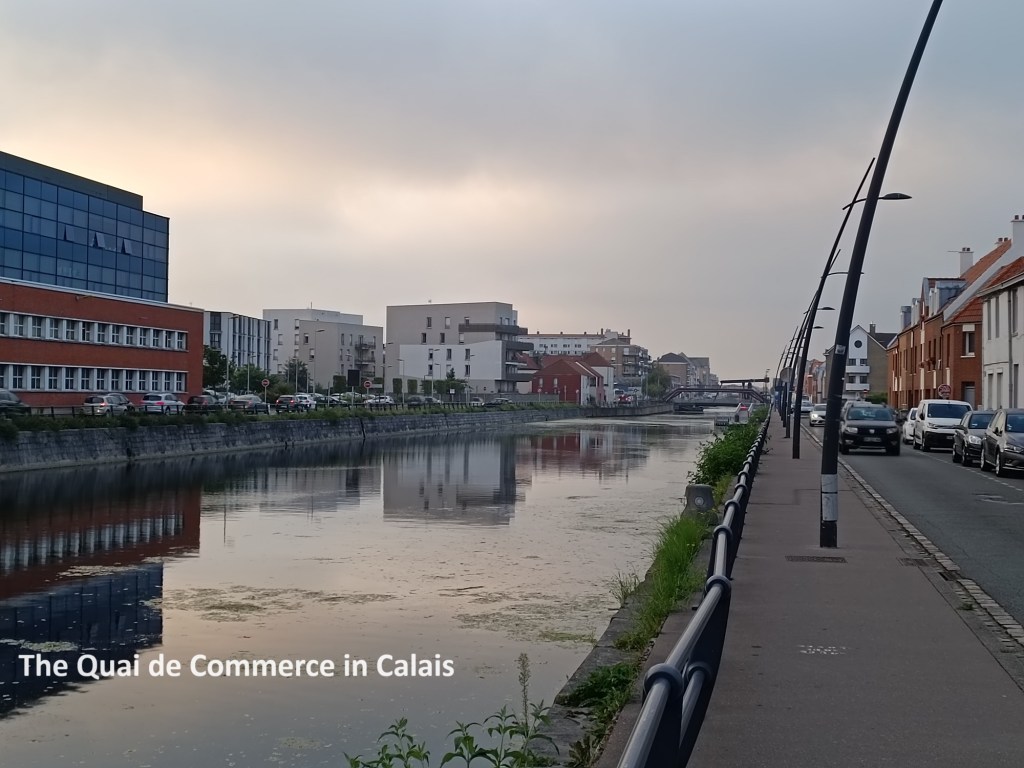
My accommodation had been close to the shore area in Calais, and the official route would have had me continue westwards along the shoreline of the channel. But I went back into the city. I had only seen a brief glimpse the evening before, and in the daylight, it looks much like any other major French city. I headed out on a cloudy morning, passed the statue of the sailor in the harbour, going on through the square in the city centre. I went on past the city hall, and turned left to bring me to the Canal do Calais, joining it at the Quai de Commerce. Children were going to school, people were out jogging, and commuters were going to their jobs. I was walking south along the quays. Eventually, I was out of the inner city, and on my way.
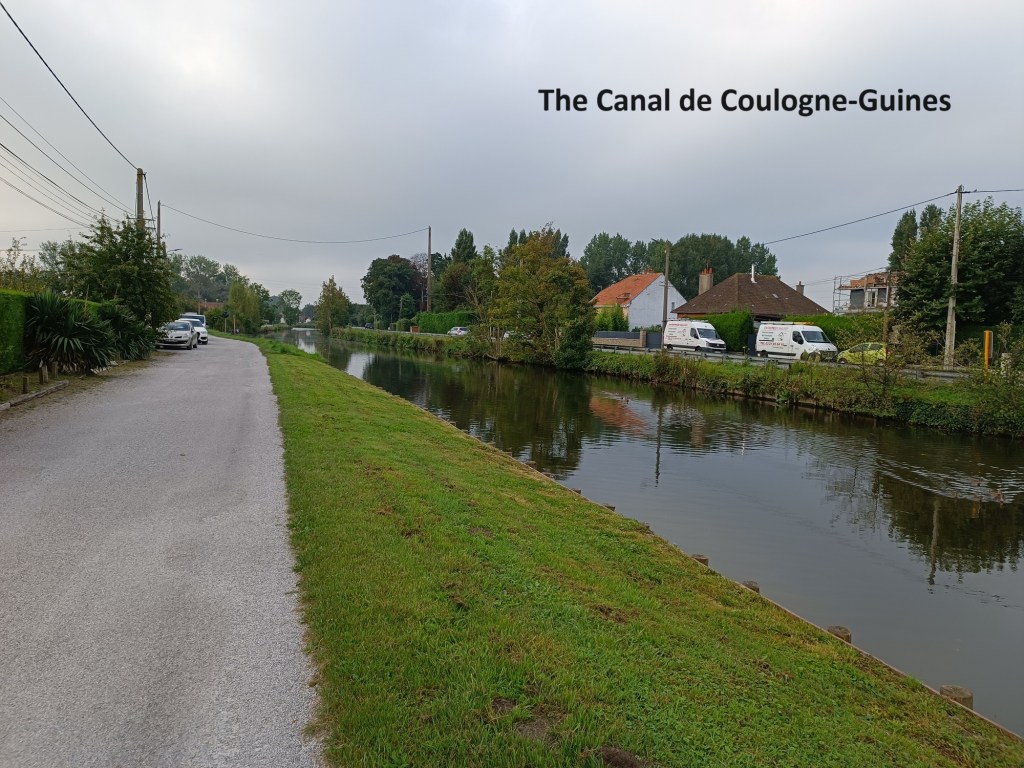
I came to the junction of the Canal de Calais and the Canal de Coulogne-Guines, and crossed on a little pedestrian path that adjoins the railway bridge over the latter of the two canals. There were roadworks on that eastern bank, and I had to take a short detour before coming back onto the laneway beside the canal. I followed this route southwards, meeting dogwalkers, joggers and cyclists along the way. For the most part, the route was a tarmac lane, with just a short grassy stretch. But then I was back on tarmac, and very soon I came into Guines. The canal ends in Guines, where a small stream provides the feed water for the canal.
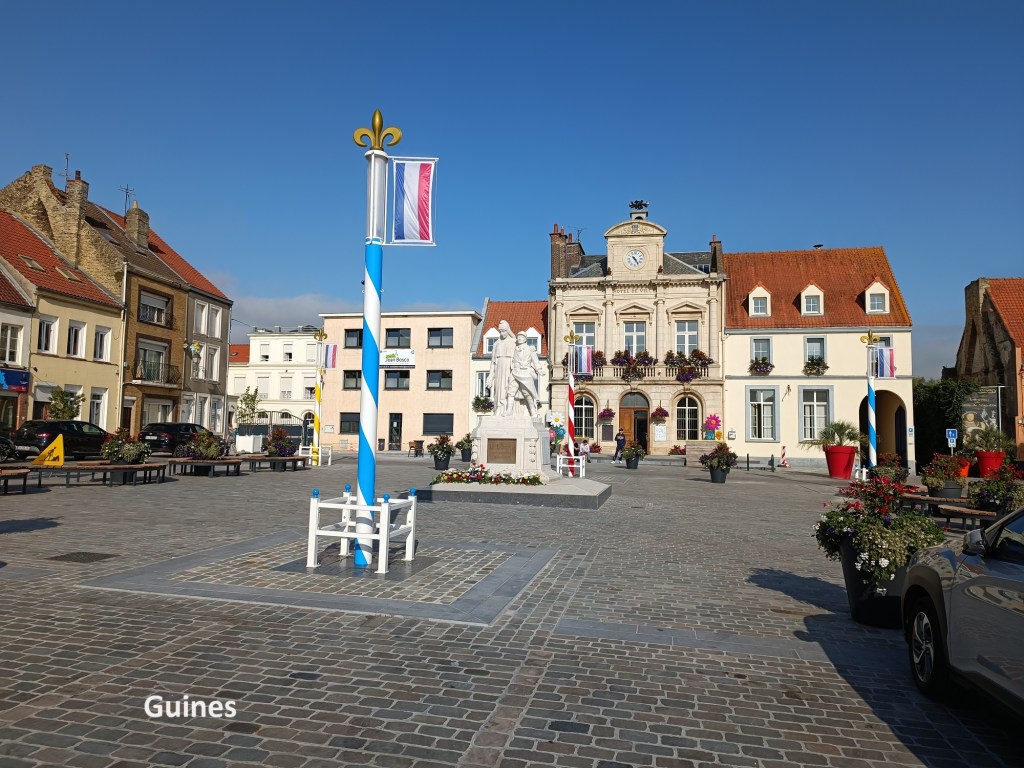
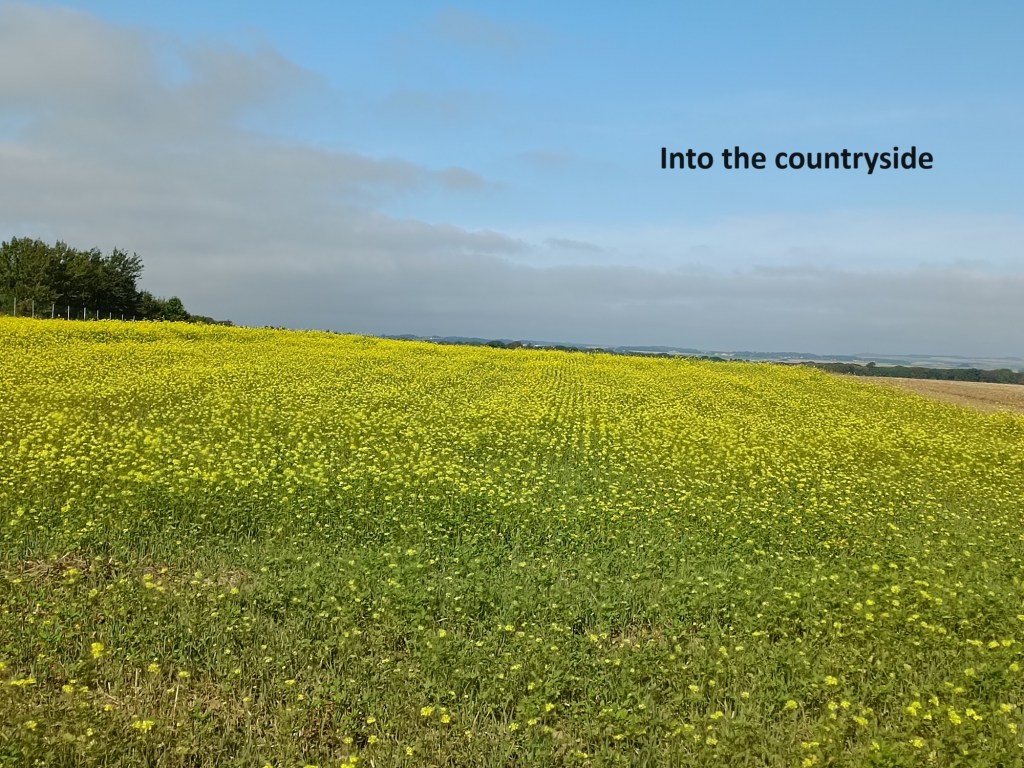
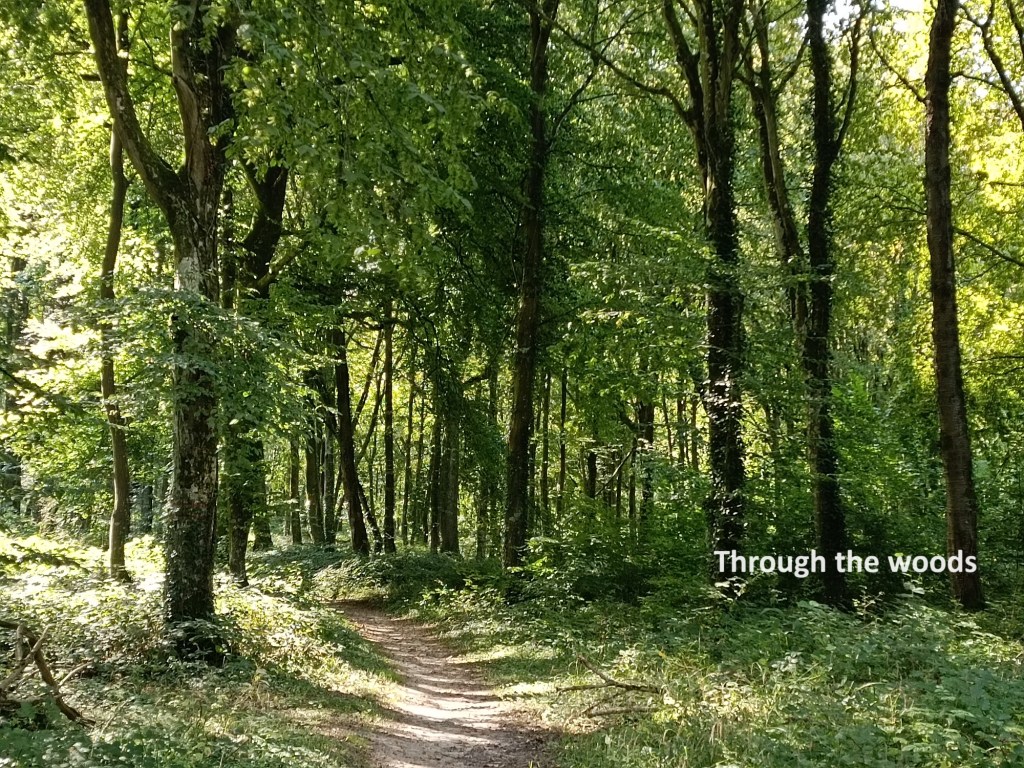
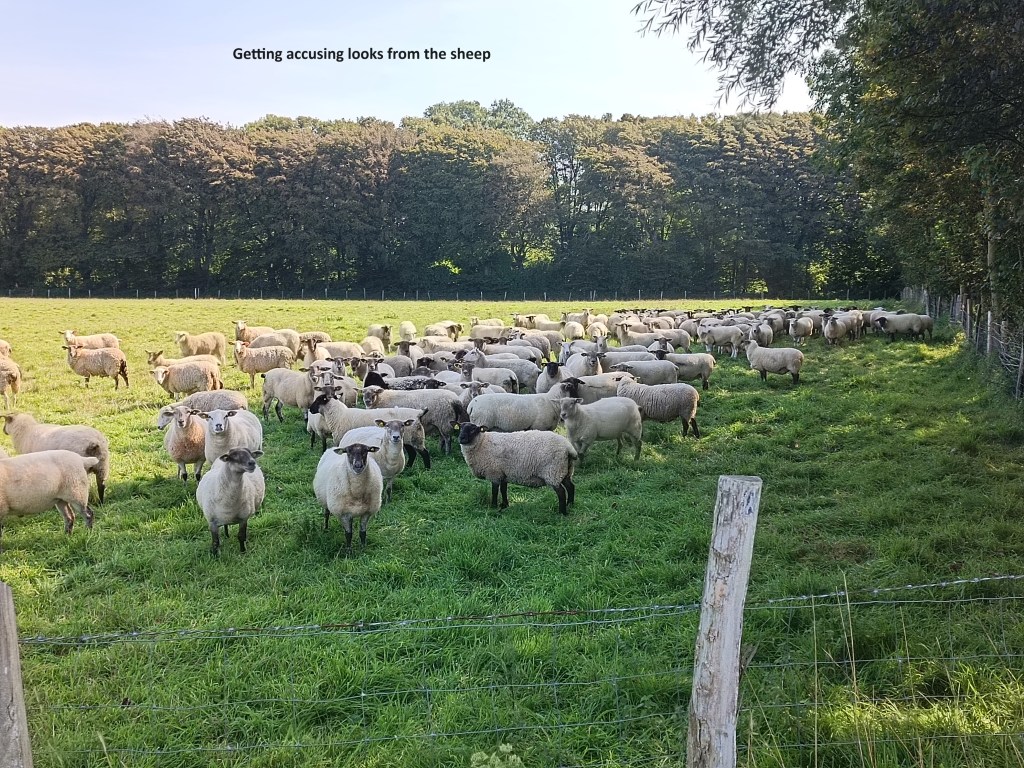
I came into the centre of Guines. It was mid-morning, the sun had been well up for a while, the clouds were gone, and I was thirsty. But I could not find a bar open. I even took a short detour to look for one, but to no avail. I made do with some water, and continued on my way. I went on up the hill and into the countryside. I came to the railway line where the trail turned left, going southeast. There was a small kink in the route to get over the railway line, a bend here and there, but the general direction continued south-eastwards for quite a while before turning south. I went through a forest, and emerged near the D248 road. The trail takes a long circular was to get to the east of the D248. I decided to follow the D248 directly. Along the way, I passed a herd of sheep, many of them giving me an accusing look. Shortly afterwards, I felt the road and went back into the forest.
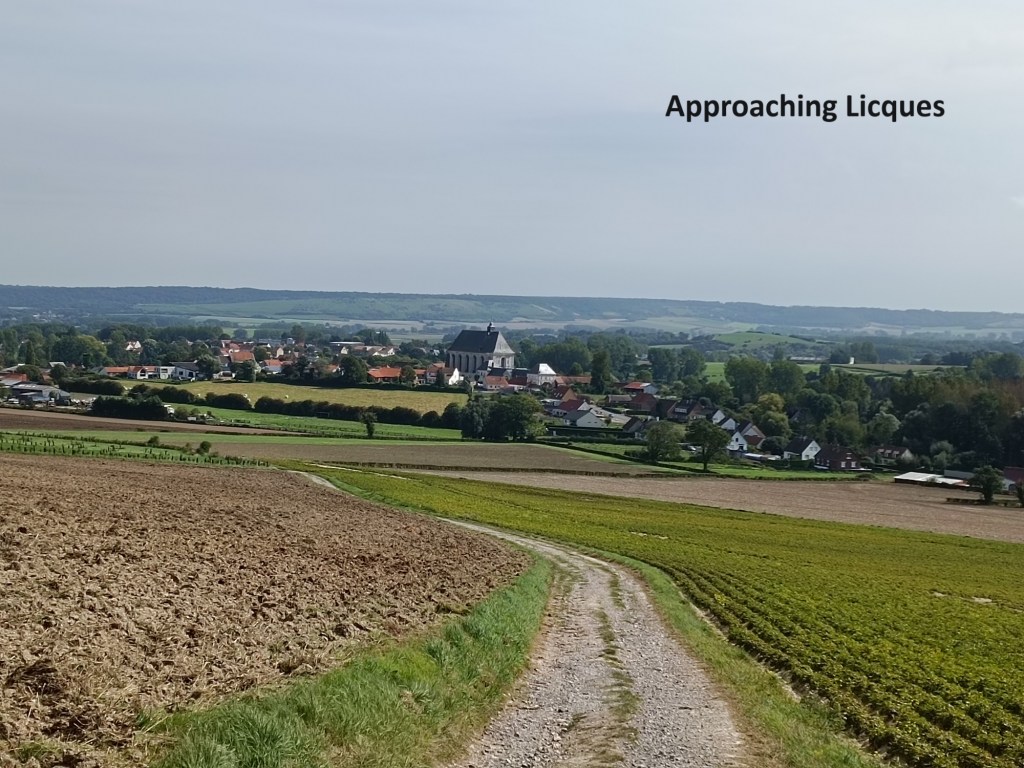
I Emerged back into open country, and went on downhill into Licques. Again, I looked for a bar where I could slake my thirst, and this time I was in luck. I slaked my thirst, and then went on out of town to the south where the campsite was. It didn’t take long to get the tent up, and that was it. I could relax for the rest of the afternoon.

Having walked all day, with only liquid refreshment in the bar in Licques to sustain me, I was the first person into the campsite restaurant when it opened. It wasn’t long before a couple came in at the next table. He was a retired British Telecom engineer, and she was his wife. They were traving around France on their holiday in a camper van, and had stopped in Licques for the night. I explained what I was doing, and they were surprised. They had never heard of such an endeavour before.
The next person in was Roberto. He didn’t tell me his name then; that came later. He was an Italian, also walking the Via Francigena. It had seemed that I was the only one on that part of the route, but now there was at least one more. He had not taken the shortcut to Guines as I had, but had walked to Wissant, and from there to Guines. He told me that the walk along the shore was not very enjoyable. We talked a little about our experiences before I left him to his meal.
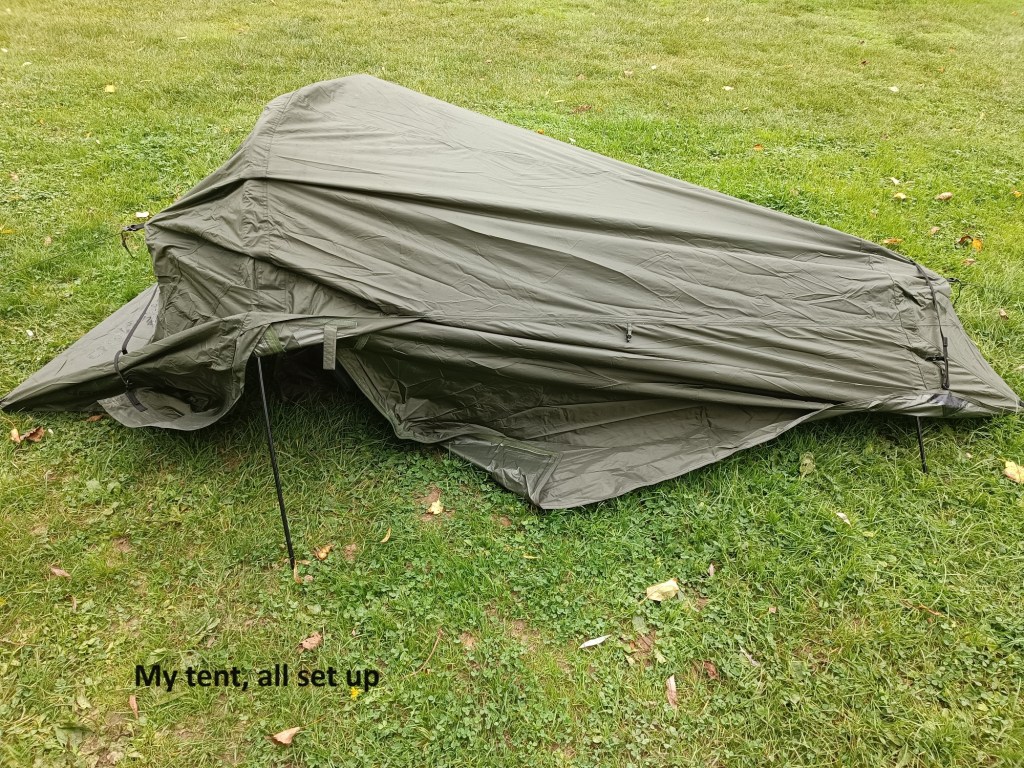
I went for a stroll around the campsite before turning in. On my way around, I met an Englishman who said he had noticed my tent and wondered what I was doing. I explained. It turned out that he was an 80 year old man touring around Europe in his camper van. He looked much younger, maybe early 60s. He enjoyed touring, though he did say that he wished he had someone to share the experience. He explained that his wife had died some years before. He had lived life to the full, he told me, serving in the British RAF and the Rhodesian Air Force during the days of Ian Smith’s government there. He said he wanted to go on living an active life, which was why he was doing what he was doing. He complimented me on doing my walk. Our conversation turned to rugby and the current World Cup. He expressed his confidence in the Irish team. I replied that I thought England might be the dark horse of the current tournament. The had been written off by everyone, but I reckoned they might surprise all those people. After a little while, we said goodbye, and I went back to my tent.
The rain came during the night. It did not penetrate the flysheet of the tent, and I awoke about three o’clock to the soft sound of it falling on the fabric. I soon went back to sleep. You sleep well after a long walk.

 Walkingman