In the days after my last outing, the weather seemed unsettled, and I was too busy anyway to continue on my meander across Switzerland. But last week, there was a fall of snow on Tuesday, and he weather started to become dry, and very cold from then on. With the weekend in sight, I made my plans for the next stage of the Trans Swiss Trail.
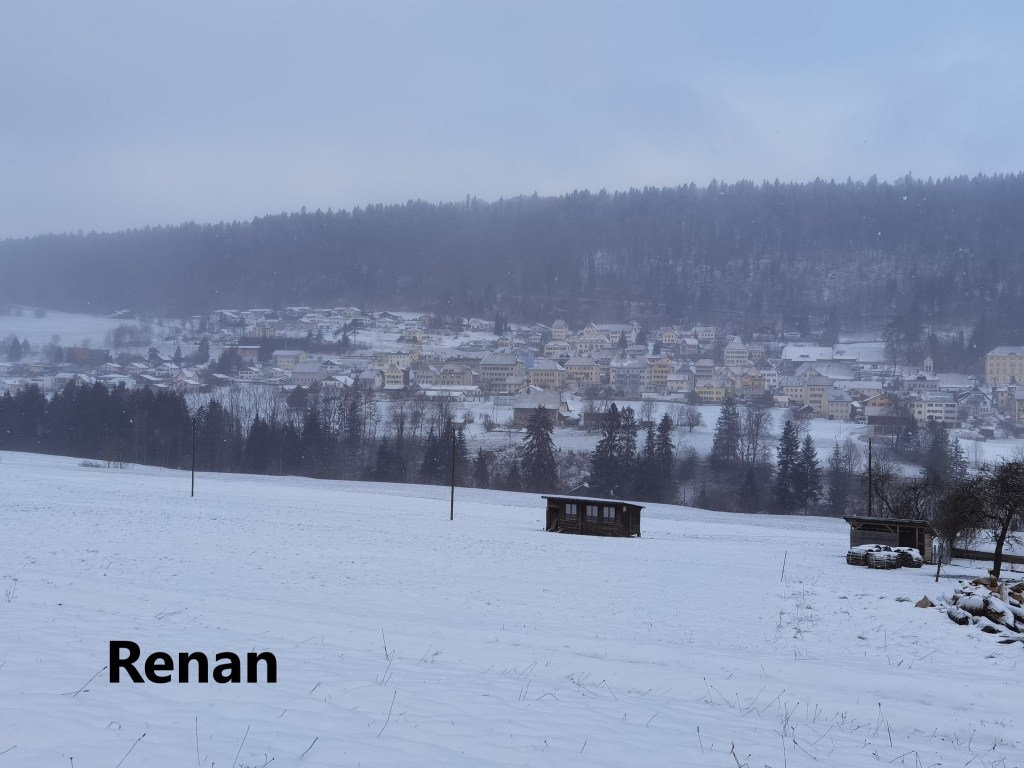
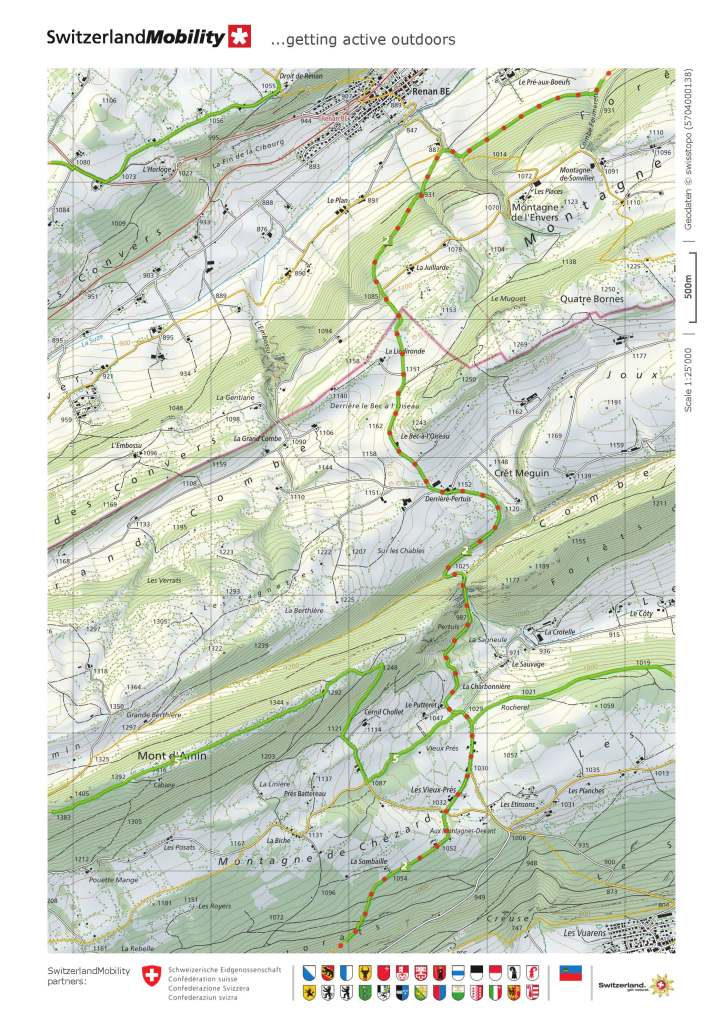
I started from Renan, where I had finished last time. In the intense cold, that the weather service said was about -10˚C, I picked my way gingerly from the train station, down a steep street towards the river La Suze. But there were only very occasional small patches of ice among the snow, and my confidence grew as I went up the hill on the other side of the river. That brought me back onto the main trail and I headed on southwards. As I went through the fields, I was treated to a last look back at Renan before going on into the forest. It sometimes seems that there are always forests.
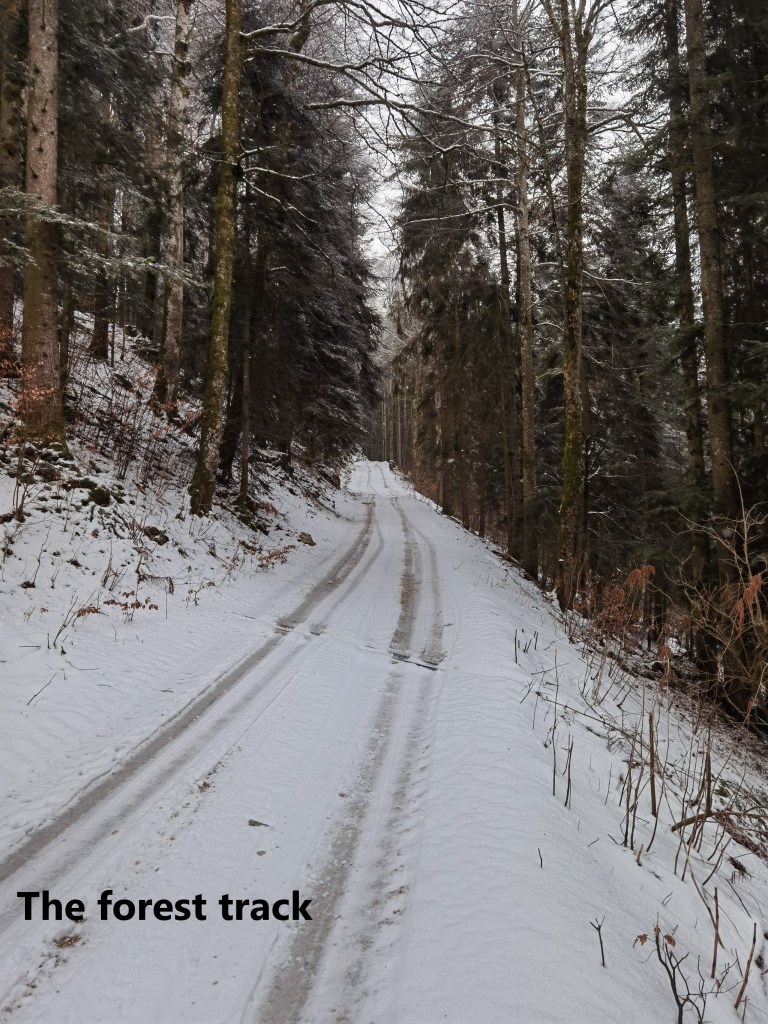
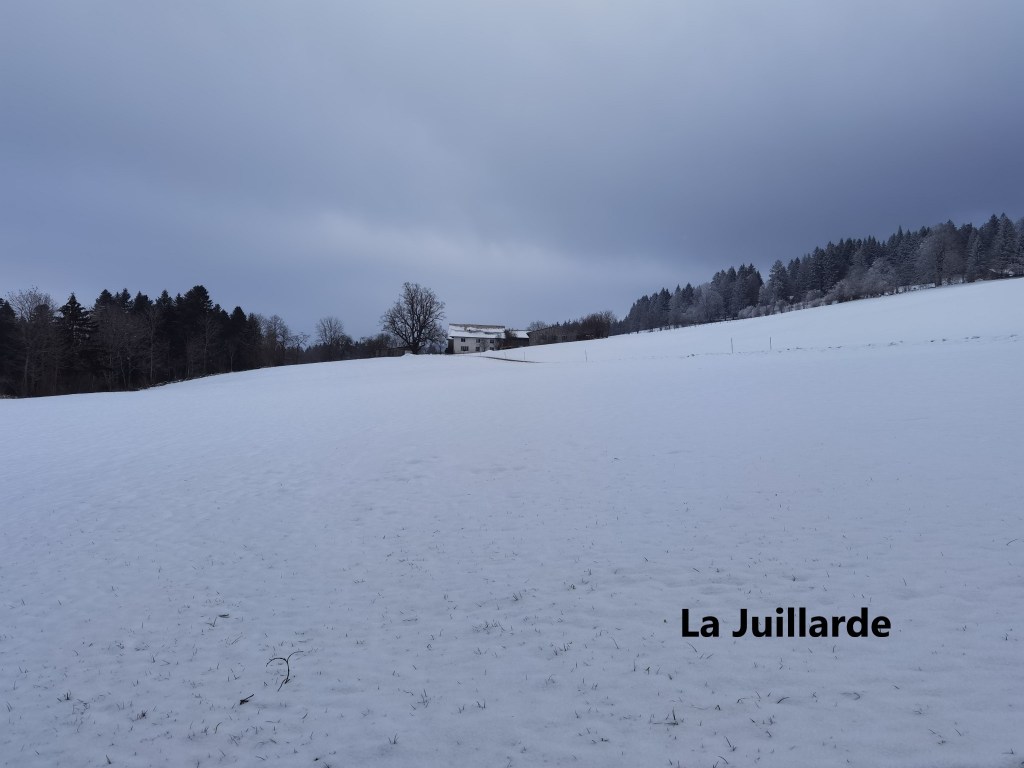
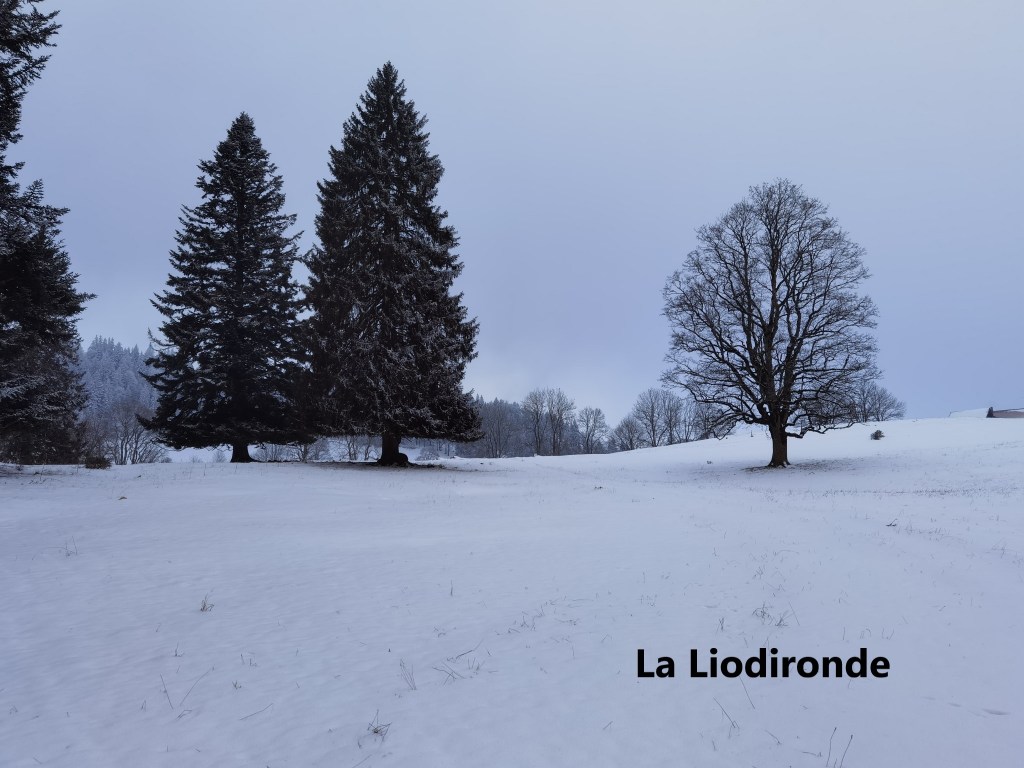
The route through the forest is not very steep, but it seemed long. But eventually, I emerged from the forest at La Juillarde. The route becomes less steep there but continues gently upwards. I went through a small copse to come out into pasture at La Diodironde. The ground was invisible beneath the snow, but by reading the shape of the land in the snow, I could pick out the trail and soon came out onto the small road above the farm.
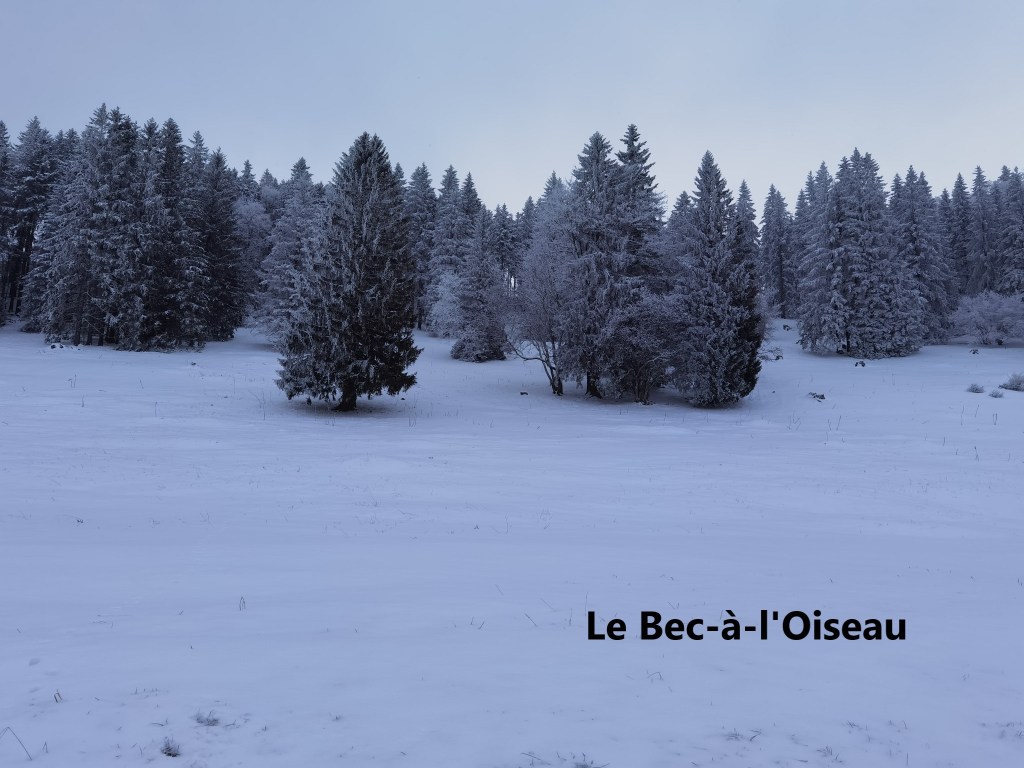
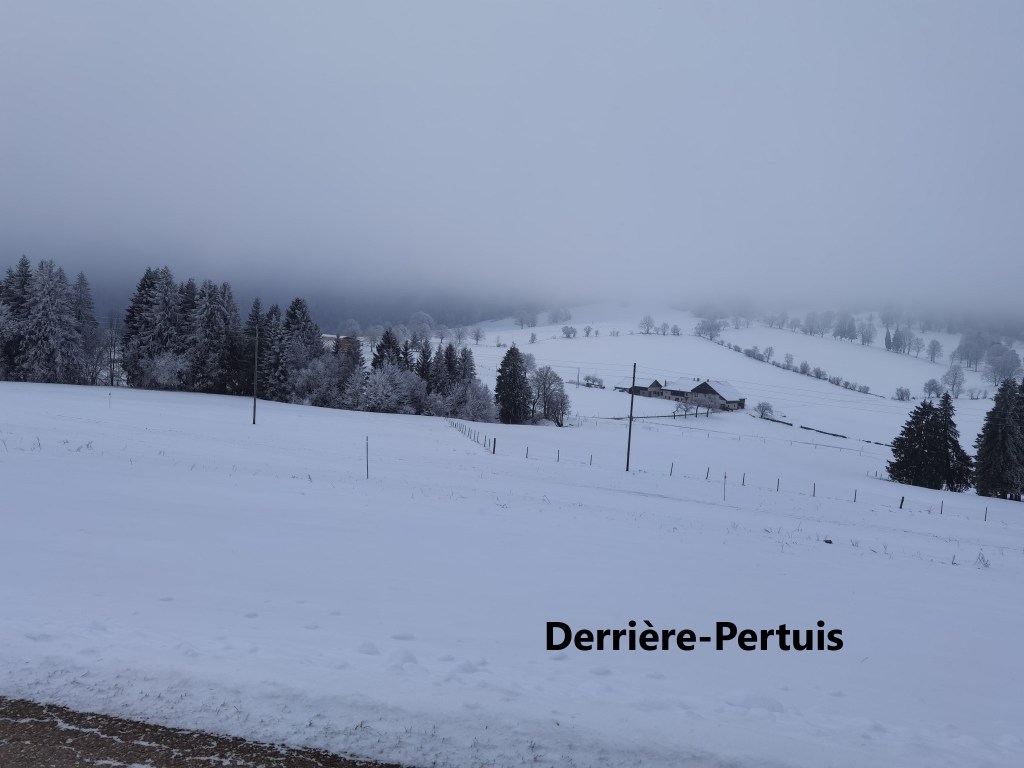
From there, the route is on a small tarmac road, quickly reaching Le Bec-a-l’Oiseau, which was the highest point on the walk. The small road continues on past the farm at Derrière-Pertuis before winding its way downwards. The hill farmers had kept the road clear of snow, and the going was easy.

At Pertuis itself, the road goes through a cleft in the rock that is just wide enough to take the road and a small stream. One has to wonder at the balance between engineering and manufacture in the construction of the road through such a narrow gap.
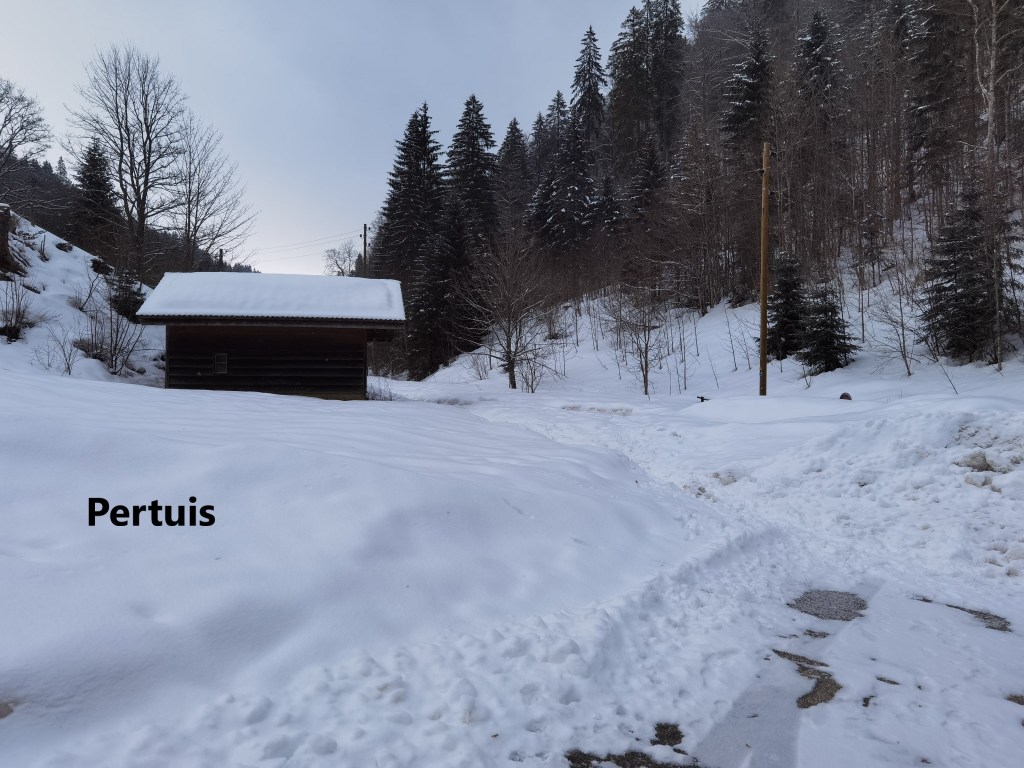
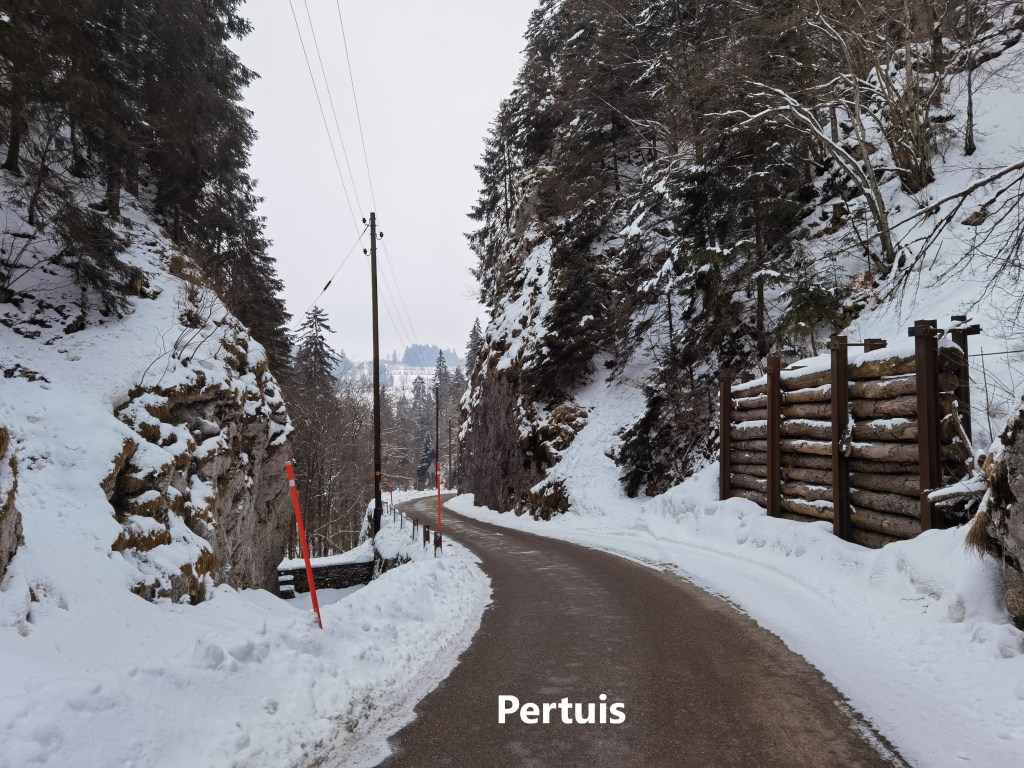
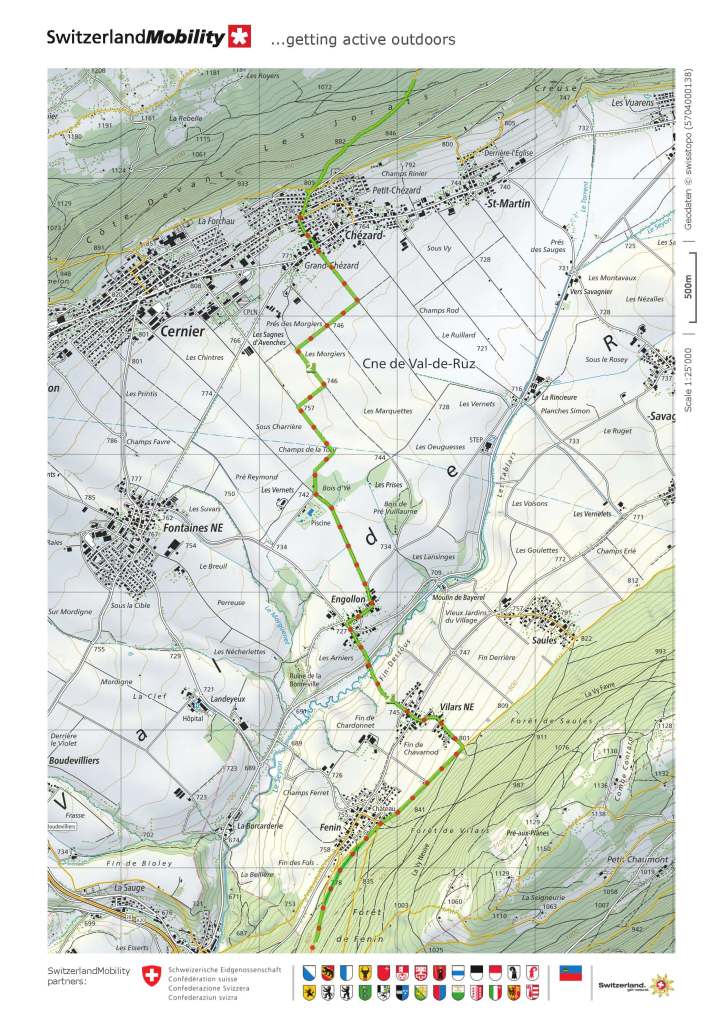
After Pertuis, the route is relatively flat for a while. At a little place called Blanche Herbe, too insignificant to be marked on the map, I crossed the Jura Höhenweg, the route I had enjoyed so much in 2020. But this year’s project is a different one, and I continued on to the Montagne de Chézard. Then I was back into the forest for the descent to the village of Chézard itself. The trail comes out of the forest just on the upper edge of the village, giving a good view of the valley ahead.
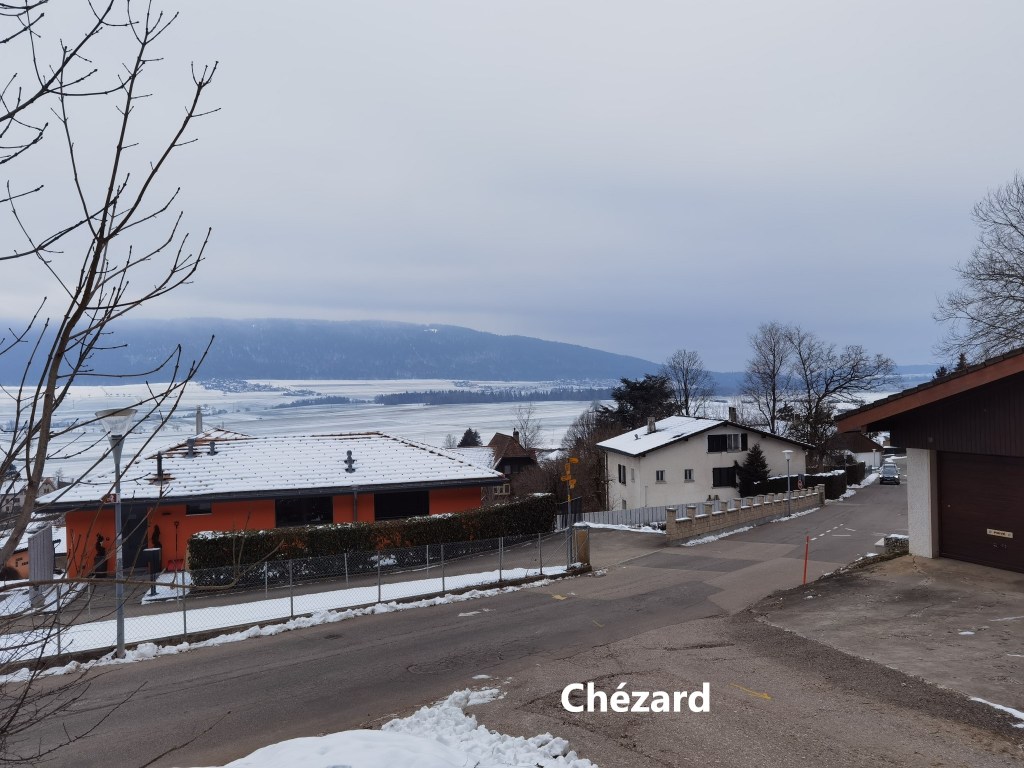
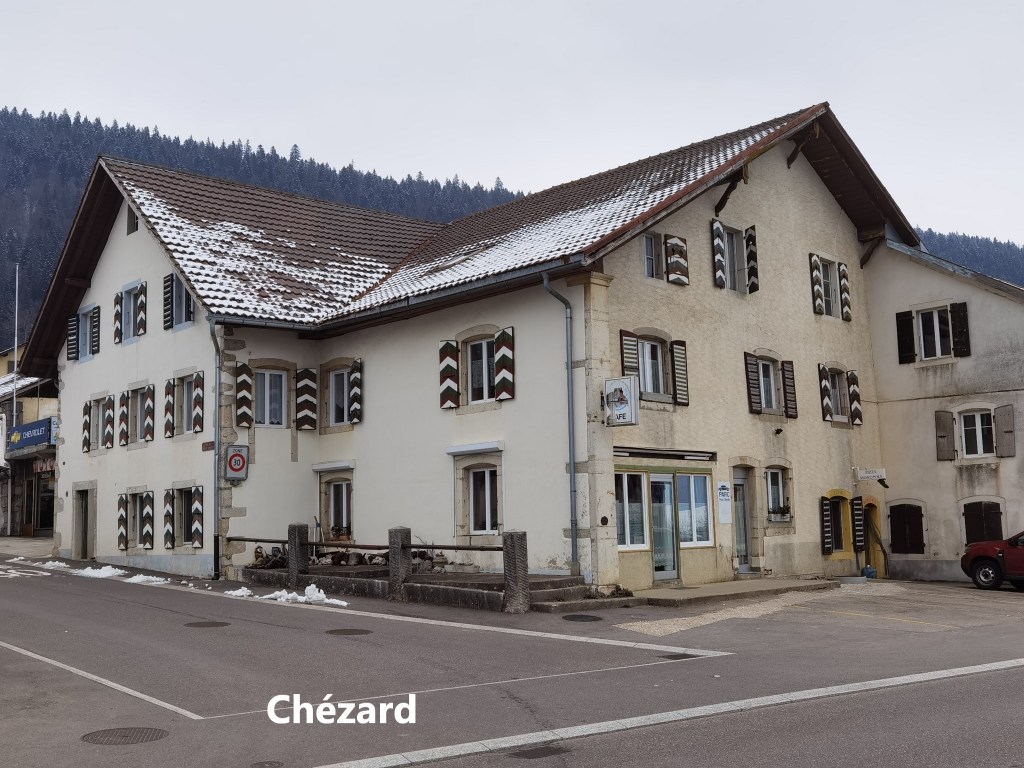
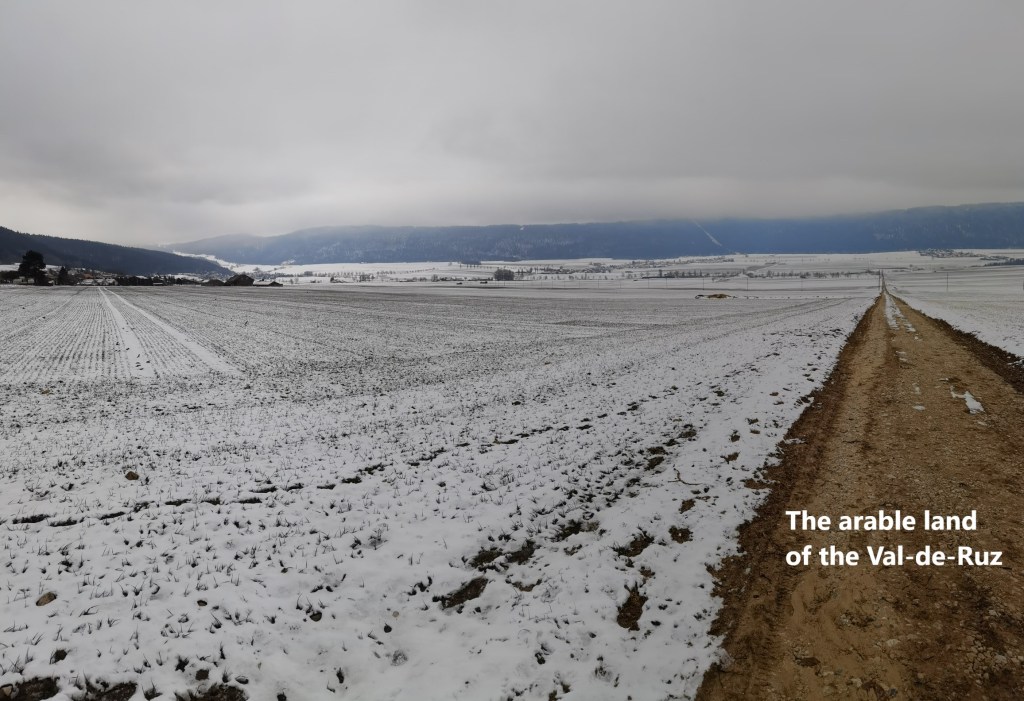
The valley is the Val-de-Ruz, and it is a registered municipality in its own right. The valley contains several small villages, many too small to be able to provide the administration and services expected of a municipality in Switzerland. In 2013, the villages in the valley merged together to form the municipality of the Val-de-Ruz.
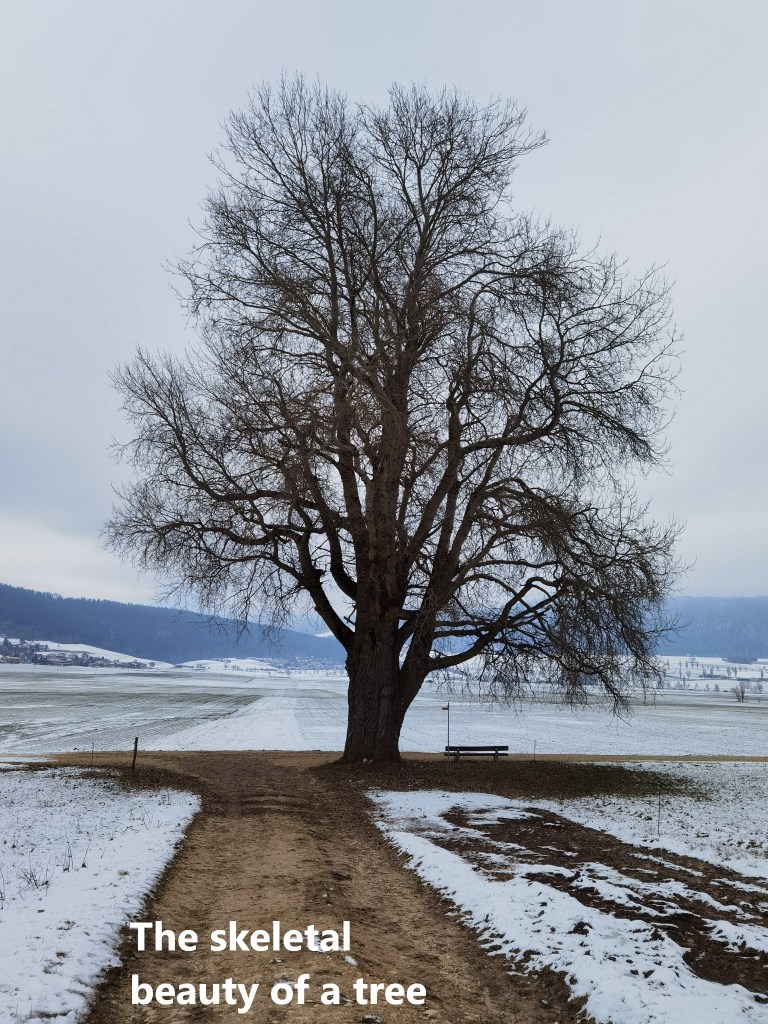
The Vallon de St. Imier where I started today’s walk is quite narrow, and its economy is dominated by watch making. But the Val-de-Ruz is flatter, and the economy is based on agriculture. I was soon through Chézard, and into the flat country beyond. The route takes advantage of tracks between the fields to zig-zag southwards, and I soon reached the village of Engollon.
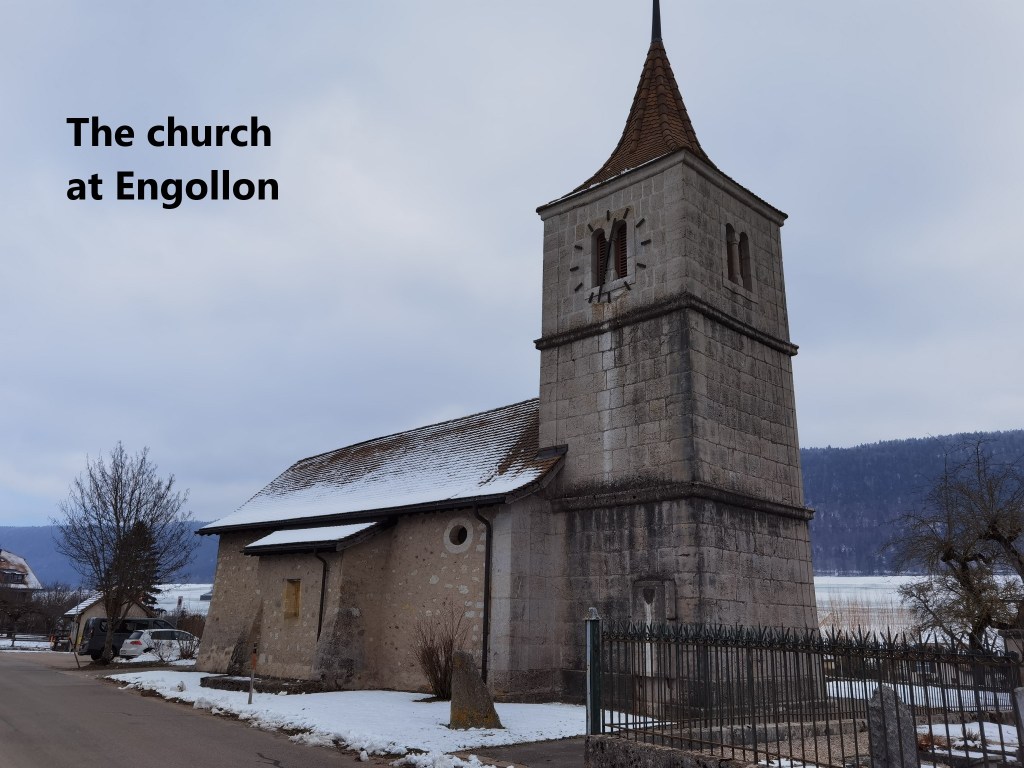
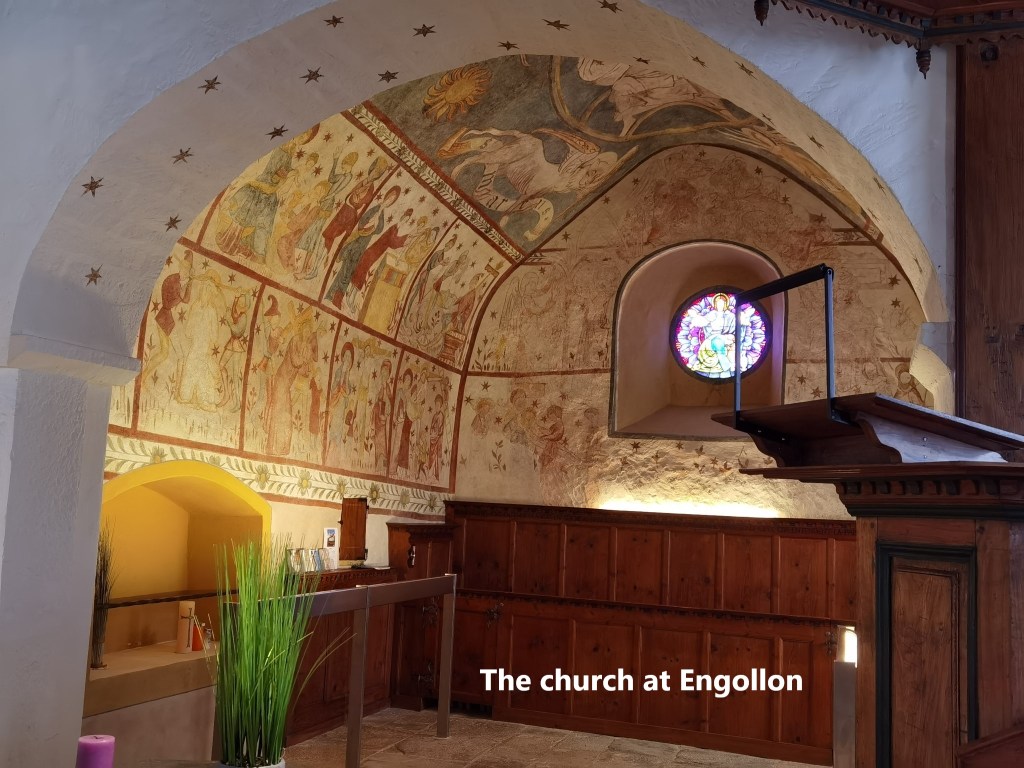
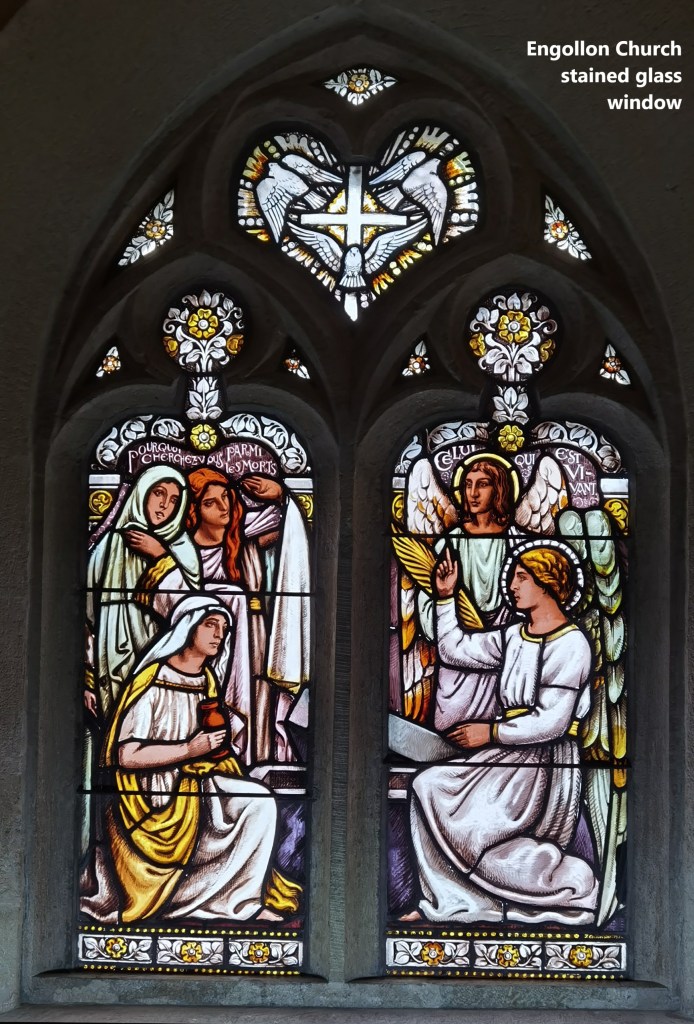
It is perhaps an exaggeration even to call Engollon a village. At the last census, it had just 97 people. But it does have a site of national historic interest. It has the only church in Neuchâtel canton with murals on the walls. The church of St. Pierre d’Engollon is first mentioned in historic documents in 1228, more than 60 years before what is considered the foundation of Switzerland. However, archaeological excavations have indicated older churches on the same site. The church has undergone several reconstructions. In the 17th century, the first bell tower was added, a wooden structure. The stone bell tower, along with the current nave of the church was added early in the 19th century. But it is the murals which have made this church famous. They date to the 14th century, a time when less people could read, and books were fewer anyway, so pictures were used to teach people of events in the bible. The murals were restored in the 1920s, and the stained glass windows were added at the same time. It is a little gem, resting in plain sight for all to see. But when I went there, I was the only visitor.
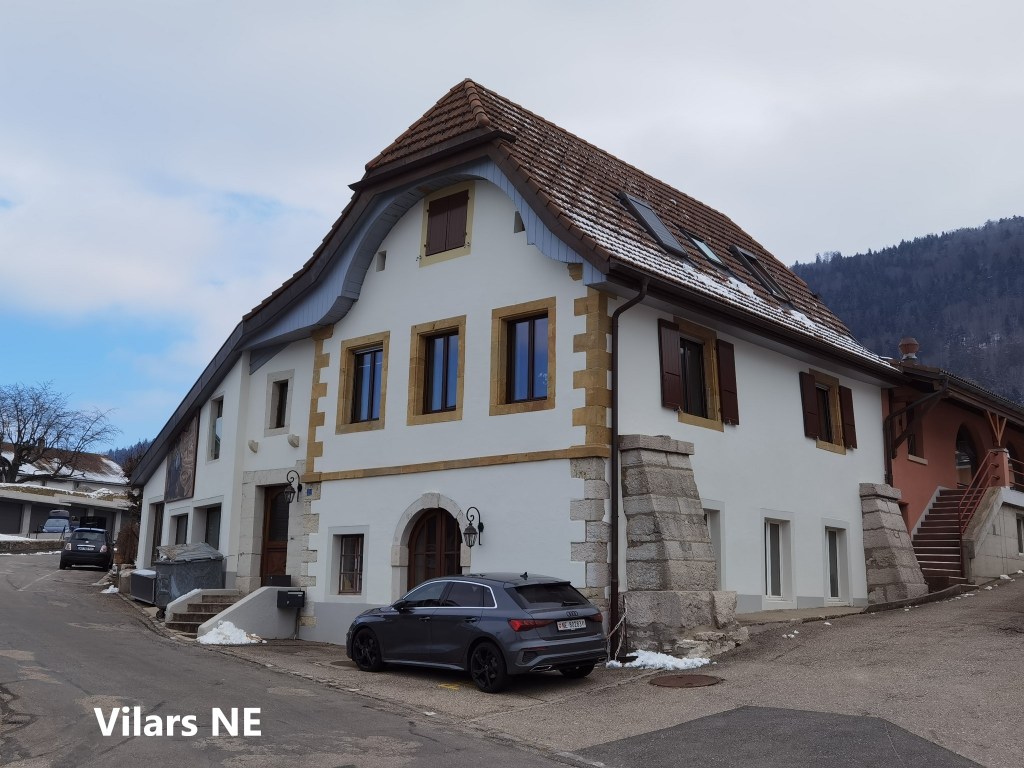
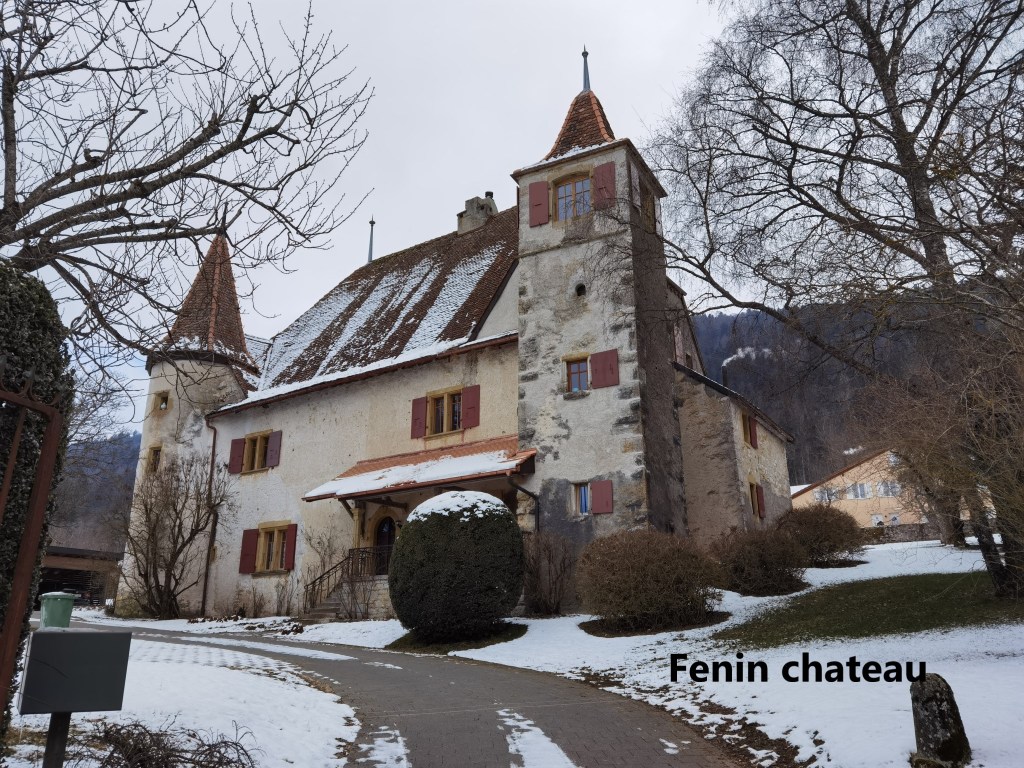
From Engollon, I grossed the river Le Seyon, arriving quickly at Vilars. From there, the official route goes on to the edge of the forest before turning south-west, but I took the road to Fenin. This allowed me to pass the front of Chateau Fenin.
Historical documents show that the chateau was built in 1561 by a local aristocrat, Hugues Clerc. Nothing is known about him other than his building of the chateau, and it soon passed out of his possession, going to the de Meuron family in 1620.
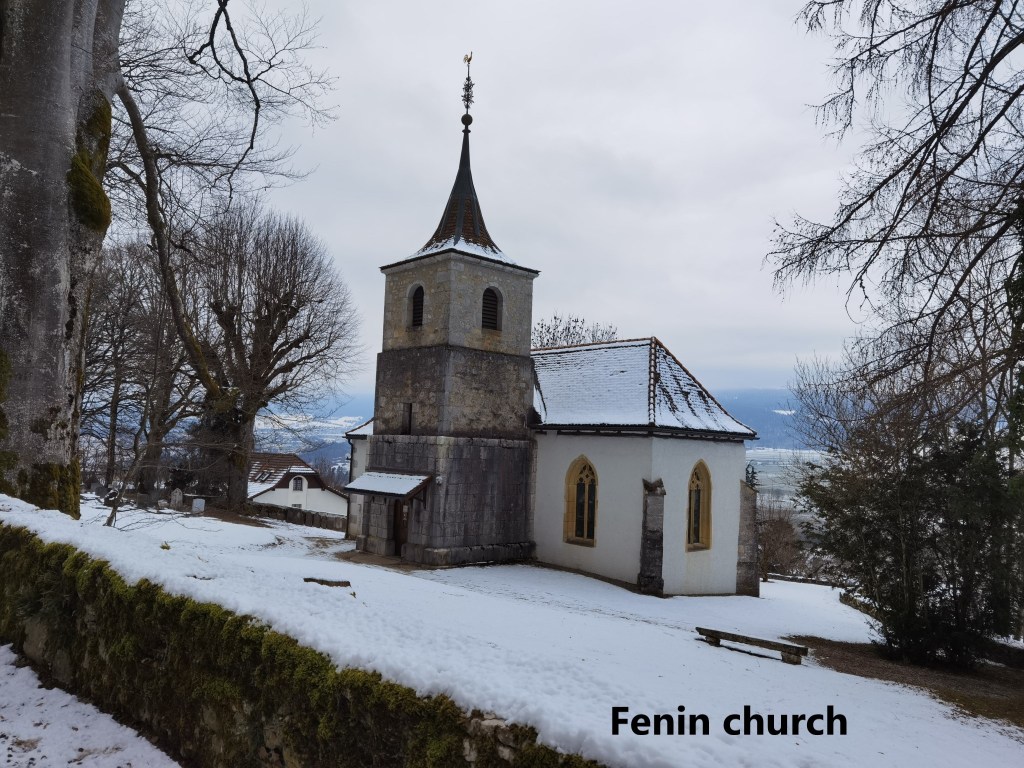
Shortly after passing the chateau, I turned left to go up the hill and rejoin the official route. That brought me then past Fenin church. I had hoped that like Engollon, it would be open, but that was not to be. A sign on the door said that due to the current restrictions brought in to contain the spread of coronavirus, it was closed. I could only continue on
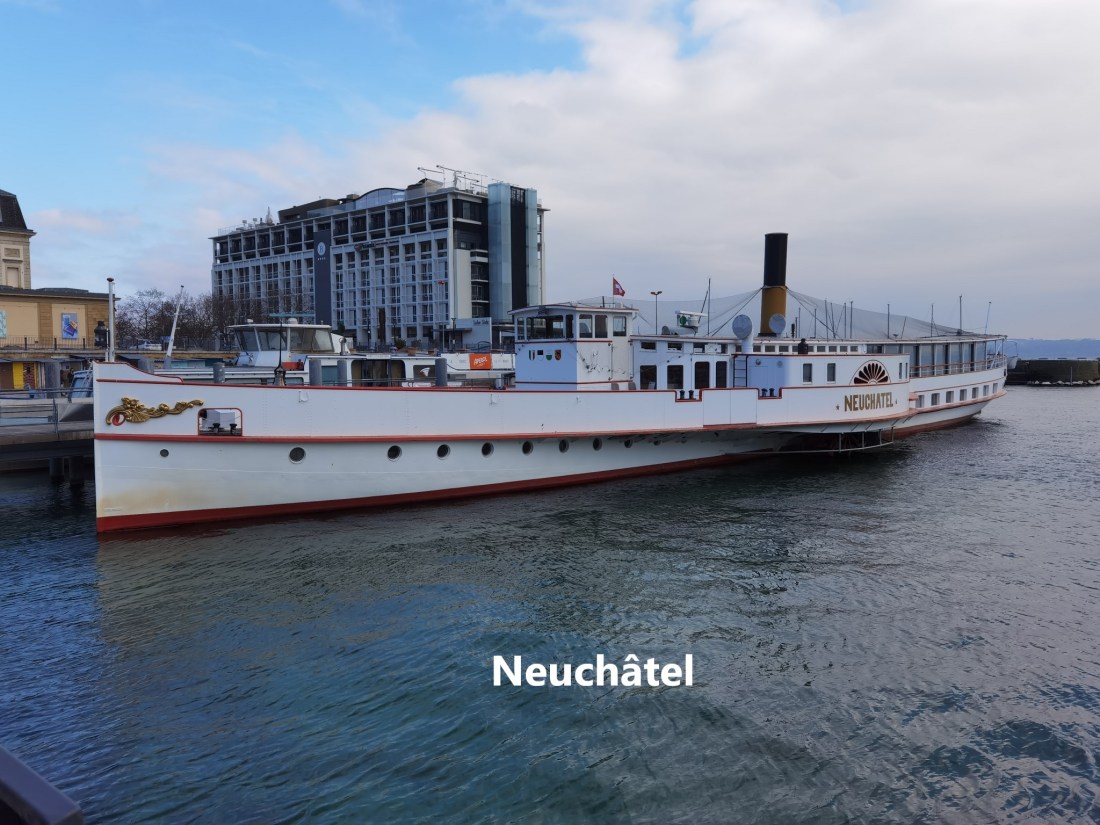
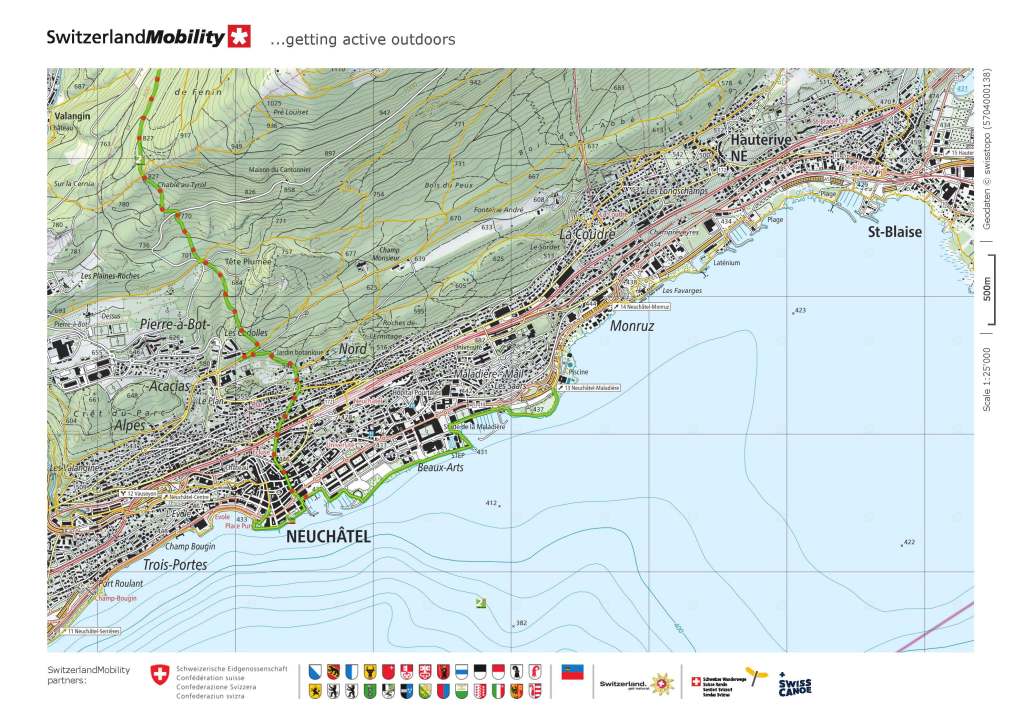
From Fenin, the route goes back into forestry. It rises slightly before descending steeply towards Neuchâtel. I would have liked to come to some kind of viewing platform where the city would be in full view below me, but that was not to be. Instead the trail emerges from the forest right at the edge of the city. From there, steeply sloping streets brought me down to the edge of the lake.
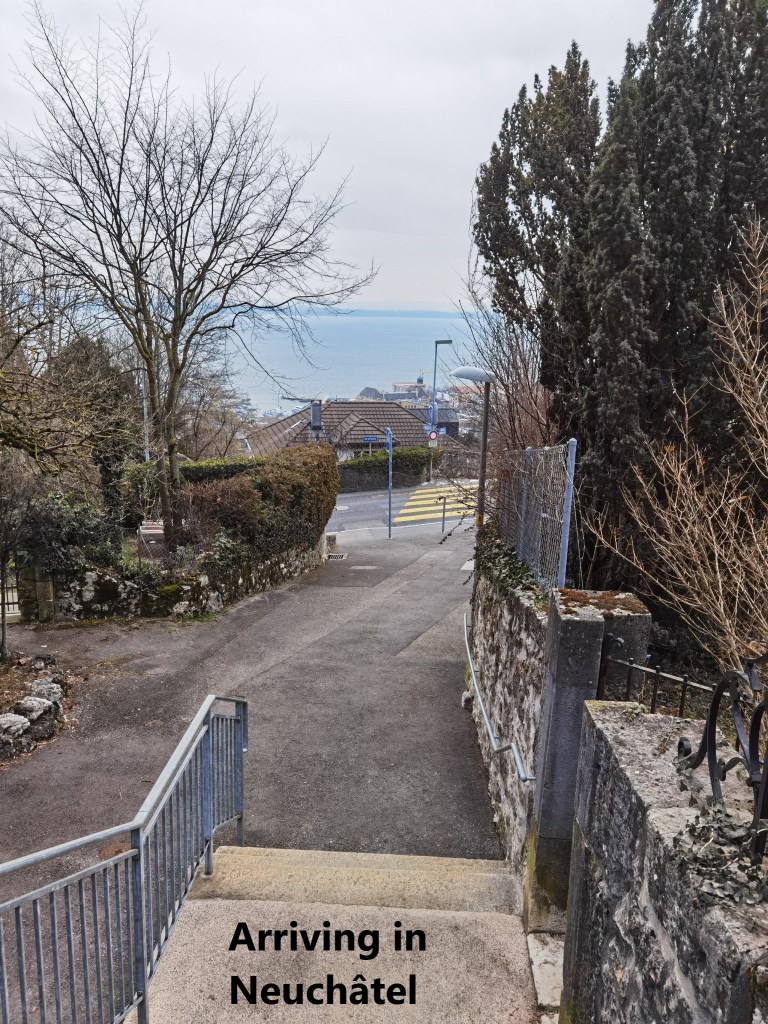
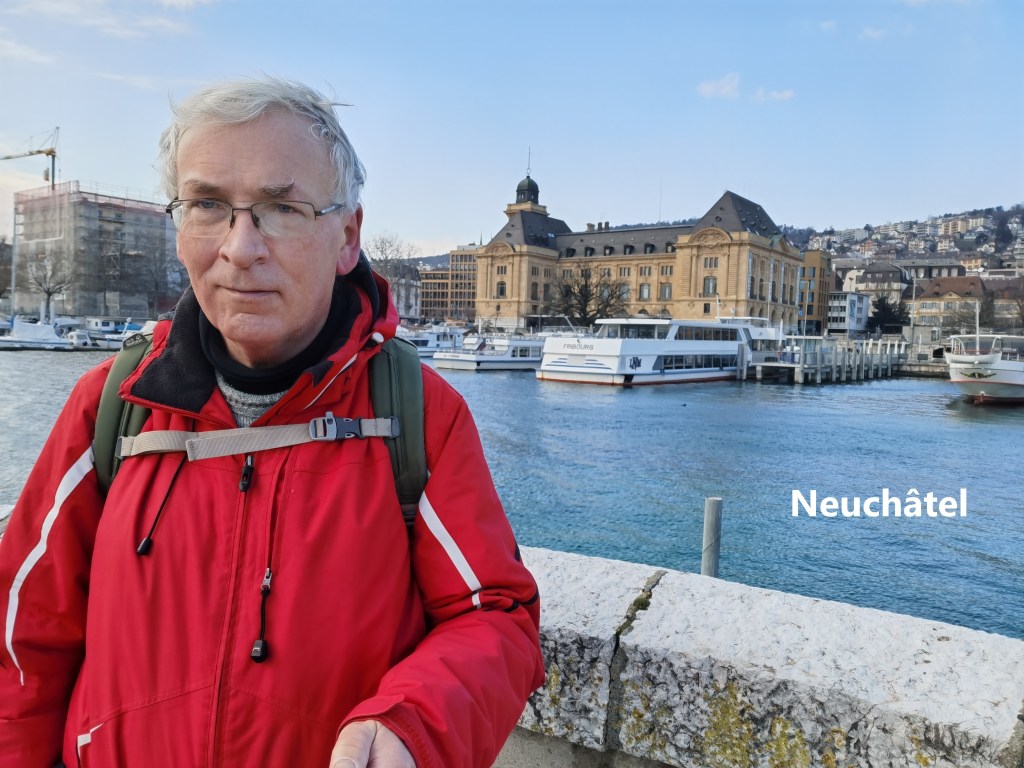
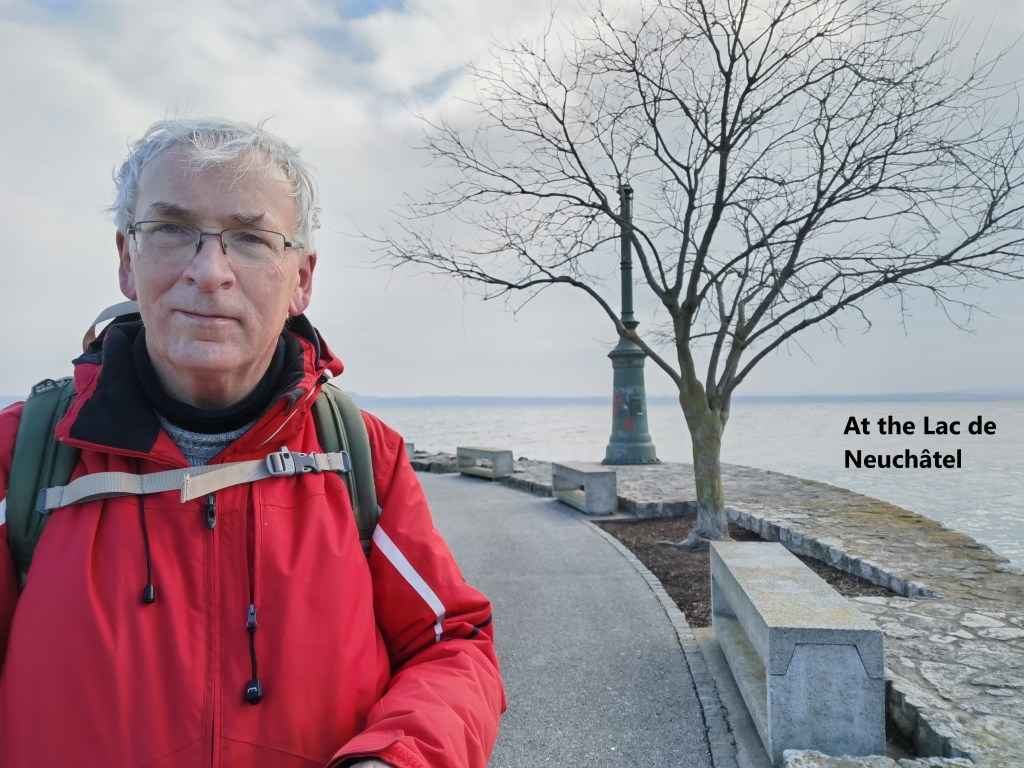
It had been extremely cold in the mountains, and Neuchâtel was not exactly warm either. Walking along the breakwater at the port, I saw what looked like dried salt at the water’s edge. But this is a freshwater lake, so there could not be salt. On looking closer, I realised it was ice, formed by spray from the lake. The local temperature gauge read -5˚C. But in the sunshine, it was good to take a walk around the city. The church in the city fortress was mostly closed off for renovation, but the organist was practising his craft.
And after all that, it was time to get the train back to Basel. My total step count for the day was 42,272.

 Walkingman
The more I read these blogs the more I enjoy the beautifully crafted description, the scenic pictures of the walk.
Thank you for sharing this beautiful expeerience!
LikeLiked by 1 person