In my last posting I wrote about walking through the older parts of Kleinbasel and the Muensterberg area. So last weekend I followed that up with a walk around the Spalenberg part of old Basel.
There are a couple of buildings in Basel that are well known and will always appear in tourist photos form the city. The Spalentor on the Spalenberg is almost a symbol of the city. It is the largest of the city’s surviving gates. And the Rathaus (town hall) in the Marktplatz (market square) constantly has tourists hovering around. Indeed, it seems that every time that I walk in the Marktplatz there is a tourist with their camera raised to take a photograph of the Rathaus. Butt just a few metres away is an area of the city that is generally ignored by the tourists. It is the heart of old Basel, where people lived and died, businesses flourished and declined, and the city developed into what it is today.
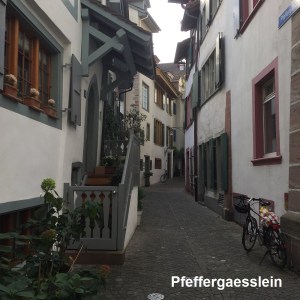
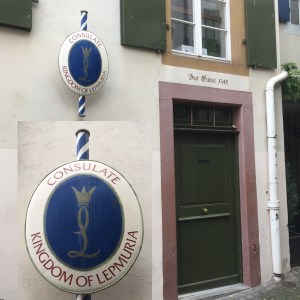
So I went from Marktplatz to one of the lesser shopping streets of the Spalenberg side of the city, the Schneidergasse. Just of Schneidergasse is Andreasplatz. Andreasplatz is one of the few remaining courtyard developments in the city that has open access from the street. In the fifteenth century, the city offered courtyard properties to local nobility in exchange for their help in protecting the city. Andreasplatz is one of those. From there, my wandering took me to Imbergaesslein, an alley so narrow that you can almost stretch out your arms to touch both sides at the same time. Almost! And just on the other side of that alley from Andreasplatz is Pfeffergaesslein, which translates as Pepper Alley. It is a cul-de-sac, and home to the Consulate of the Kingdom of Lepmuria. The consulate building, complete with official consulate markings is at the end of the alley. The kingdom of Lepmuria is actually a complete fiction, and the house is home to one of the many “cliques” in Basel. These are the groups who organize the annual carnival every spring, a kind of Germanic version of Mardi Gras. I must come back to that topic when carnival time comes around next year.

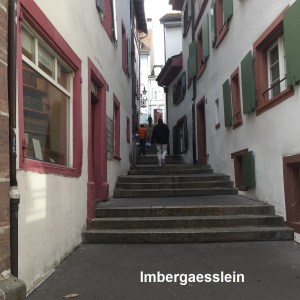
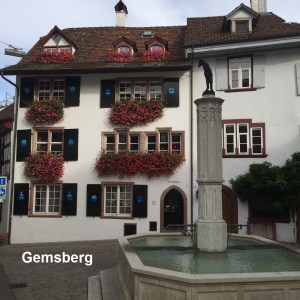
Ascending Imbergaesslein brought me to Nadelberg, a quiet street of esoteric bookshops, boutique ephemera and some outposts of the university. Strolling along Nadelberg brought me to the Spalenberg street, one of the busy shopping streets of the city. But going straight across into Gemsberg brought me into quiet again, and I continued my stroll onto Heuberg and on to the Lohnhof. The Lohnhof was the old fortress of the city. It is now a museum and some administration buildings.
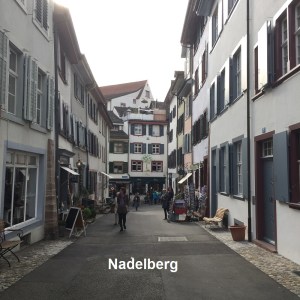
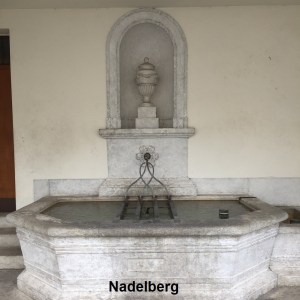
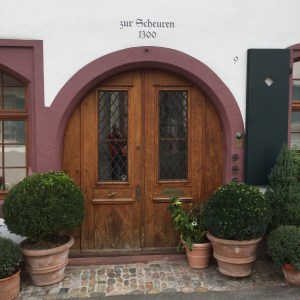
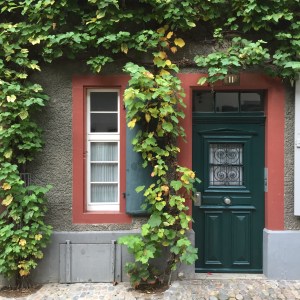
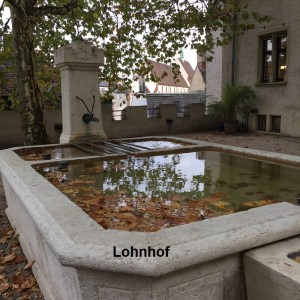
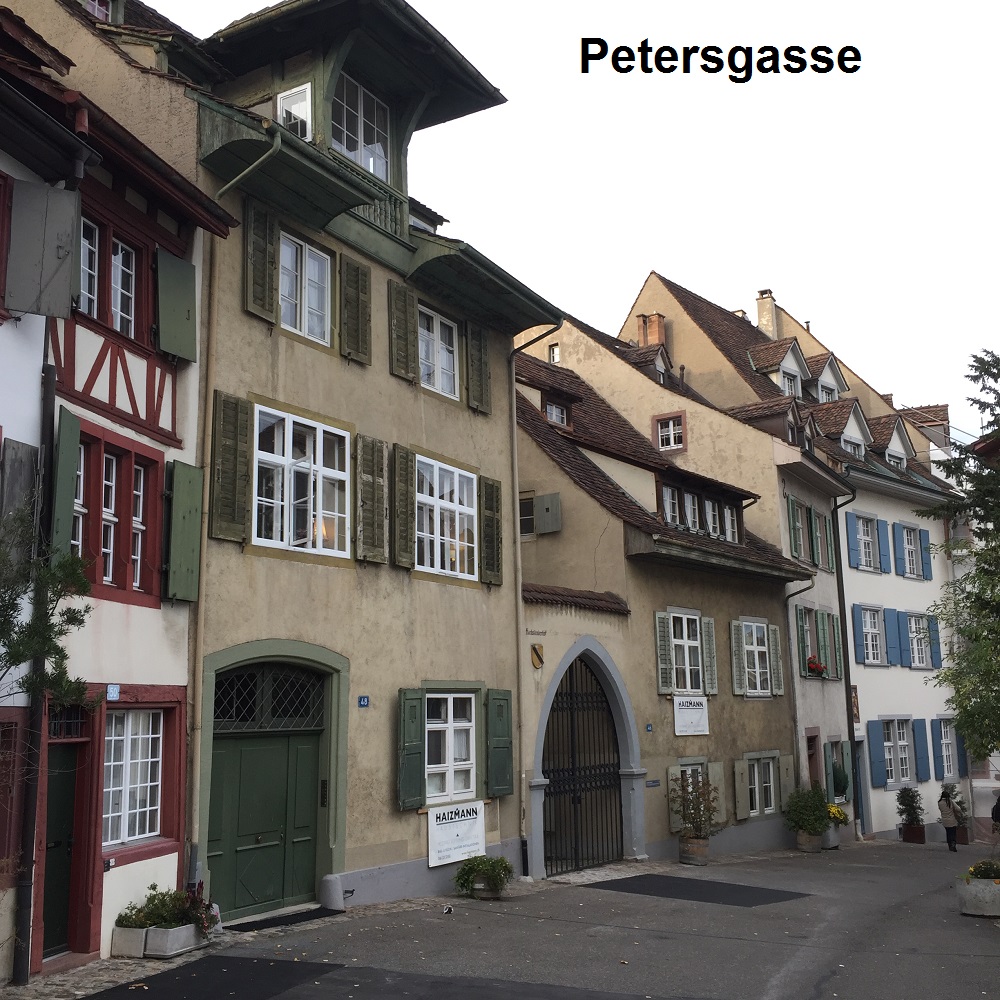
Past the Lohnhof would bring me to the more modern parts of the city, so I retraced my steps, with several variations, coming back to Nadelberg, and following that until it becomes Petersgasse, and on down to the city’s commercial area again.
The Spalenberg area is not a place to plan a walk. Instead it is a place to stroll around, and let your curiosity take you into alleyways that you have never walked. I still find such alleys, even after years in the city. And I am still sometimes rewarded by pleasant surprises. And of course, I find plenty of those fountains that are so plentiful in Basel, but so often hidden away in quiet corners waiting to be found by the curious and the adventurous.

 Walkingman