This time, I am not sure if the work that I want to discuss actually counts as poetry. Some people will undoubtedly say that it is not, but I will go ahead anyway.
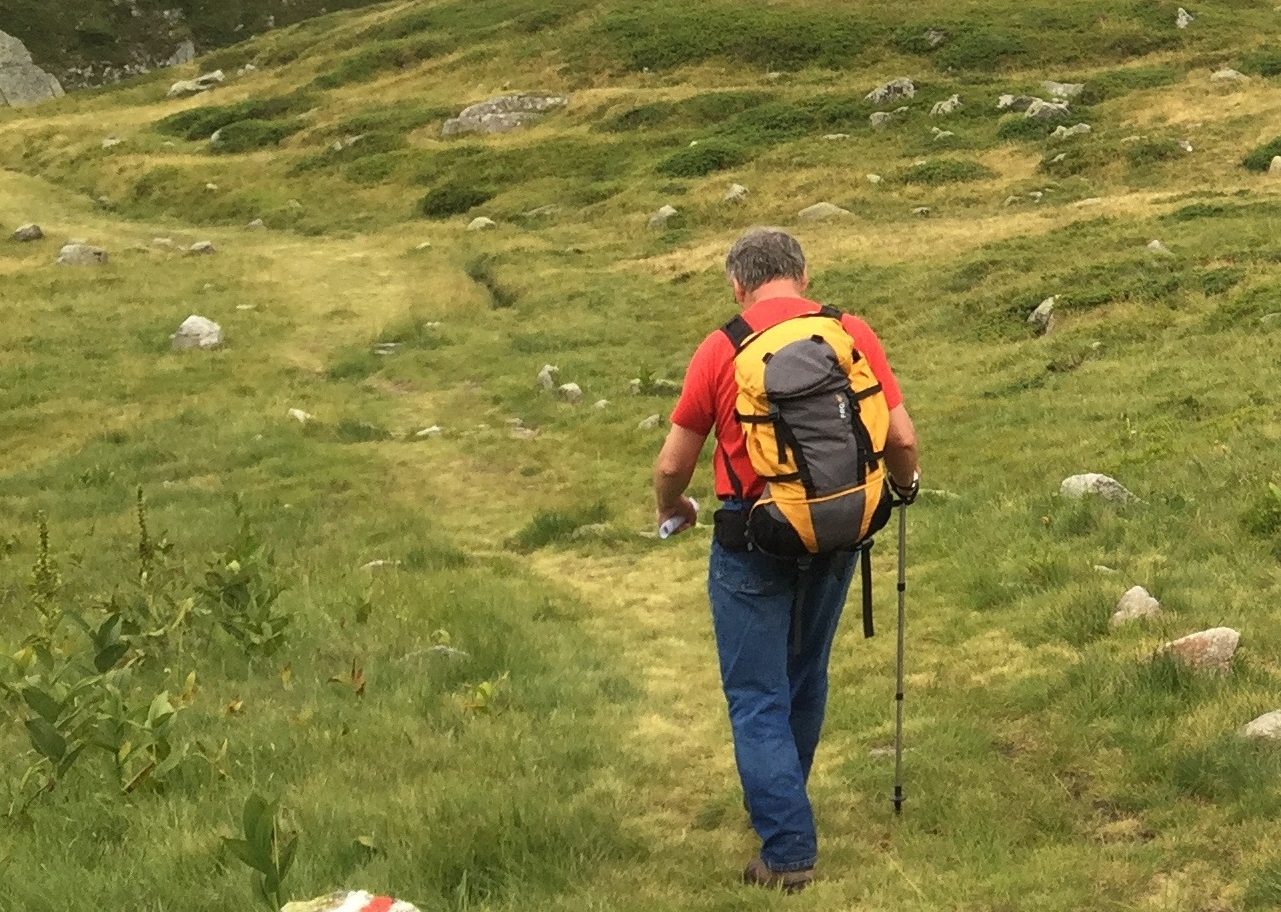
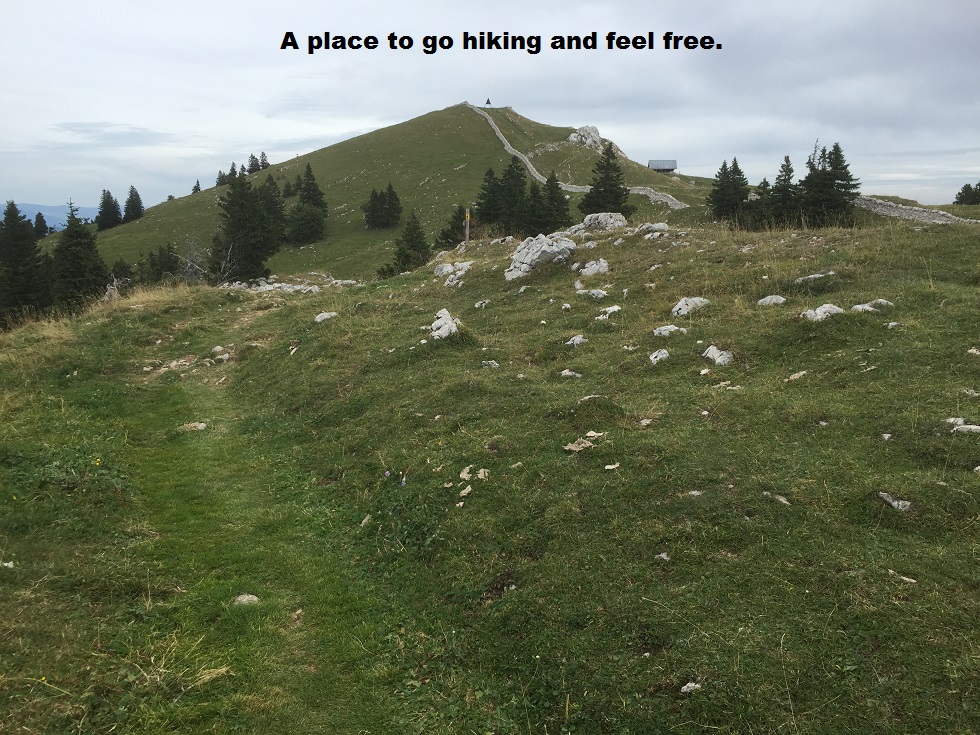
In the early 1930s in Britain, it was a fairly grim place. Unemployment was rising, and even those in average employment were barely making ends meet. Working hours were long, and it was common to work a half day, if not a full one, on Saturdays. This situation was not universal, but the northern towns and cities fared worse than others closer to London. In such circumstances, a popular weekend activity was to go hiking. Manchester is blessed by having the Pennine Hills nearby. A lot of people liked to get out of the city to go for a day’s hike, have a pint or two of beer in a country pub, and then go back to Manchester to face the working week.
But there was resistance from landowners, and confrontations were not uncommon. It was in this atmosphere that the mass trespass on Kinder Scout was organised in April 1932. In actual fact, the laws on trespass had evolved over the years so that what the people were doing was strictly not illegal, though many landowners claimed it was. About 400 Manchester based hikers set off for Kinder Scout Mountain. On the way, they found a line of gamekeepers. Exactly what happened next is unclear since accounts differ, but scuffles broke out and one of the keepers was injured. The hikers went on to Kinder Scout plateau, where they were met by a group from Sheffield.
On the way down, six men were arrested by the police. There was another scuffle with the gamekeepers as well, but no arrests were made based on that one. At the trial, five of the six were found guilty and sentenced to terms varying from two months to six months. Such was the sympathy for their case that within weeks, at another mass trespass, over 10,000 people turned out.
One of the people sympathetic to the cause of the six arrested men was the songwriter Ewan MacColl. His sympathies were left wing, and he had written a few songs before the trespass, but none of them were popular. But after the trespass, and struck by the severity of the sentences handed down, he wrote The Manchester Rambler. It combined a catchy tune with lyrics that summed up both the feeling of the people towards the landowners and gamekeepers and the joy of roaming free on the hills and mountains. The song is in the pure folk tradition, taking a topical subject and turning it into a tune. The verse about falling in love might well have come straight out of the folk idiom of the 19th century except for the reference to spot welding.
So here are the words:
I’ve been over Snowdon, I’ve slept up on Crowdon
I’ve camped by the wain stones as well
I’ve sun bathed on kinder, Been burned to a cinder
And many more things I can tell
My rucksack has oft been my pillow
The heather has oft been my bed
And sooner than part from the mountains
I think I would rather be dead
Chorus:
I’m a rambler, I’m a rambler from Manchester way
I get all my pleasure the hard moorland way
I may be a wage slave on Monday
But I am a free man on Sunday
The day was just ending as I was descending
Trough Grindsbrook just by Upper-Tore
When a voice cried: “Hey You!” in the way keepers do
He’d the worst face that I ever saw
The things that he said were unpleasant
In the teeth of his fury I said
Sooner than part from the mountains
I think I would rather be dead
Chorus
He called me a louse and said: “Think of the grouse”
Well, I thought but I still couldn’t see
Why old Kinder Scout and the moors round about
Couldn’t take both the poor grouse and me
He said: “All this land is my master’s”
At that I stood shaking my head
No man has the right to own mountains
Any more than the deep ocean bed
Chorus
I once loved a maid, a spot-welder by trade
She was as fair as the rowan in bloom
And the bloom of her eyes mocked the June moorland sky
And I loved here from April to June
On the day that we should have been married
I went for a ramble instead
For sooner than part from the mountains
I think I would rather be dead
Chorus
\So I’ll walk were I will over mountain and hill
And I lie where the bracken is deep
I belong to the mountains, the clear running fountains
Where the grey rock rise rugged and steep
I’ve seen the white hare in the gully
And the curlew flies high overhead
And sooner than part from the mountains
I think I would rather be dead
Chorus
But above all the politics and topicality of the song, what shines through most for me is the writer’s love of rambling his local hills. Ewan MacColl continued to love hiking. He kept it up as long as he was able. At age 72, he was climbing Suilven in Scotland with a group of friends and realised that his legs just would not get him to the top. He was devastated that his days of being able to roam the mountains of Britain were finally over. What the gamekeepers had failed to stop in the 1930s had finally given way to old age.
However, after a short while, he realised that he still had a good life with many great memories of his time on the mountains. And that is the theme to his song The Joy of Living. The song, inspired by the regret of not being able to climb and ramble any more coupled with the joys that he still had, naturally starts off with a verse about his beloved hills and mountains:
Farewell you northern hills, you mountains all goodbye
Moorland and stony ridges, crags and peaks goodbye
Glyder Fach farewell, Cul Beag, Scafell, cloud-bearing
Suilven
Sun warmed rock and the cold of Bleaklow’s frozen sea
The snow and the wind and the rain of hills and
Mountains
Days in the sun and the tempered wind and the air like
Wine
And you drink and you drink till you’re drunk
On the joy of living
As I said at the beginning, some may not count Ewan MacColl as a poet, or see his songs as poetry, but there were few who could sum up the essence of mountaineering and hiking better. Two years after his realisation that his rambling days were over, he died, in 1989. But the sentiments he expressed in The Manchester Rambler live on, and will as long as there are ramblers and hikers around.
And before I go, today’s step count is 15,000 and counting.

 Walkingman